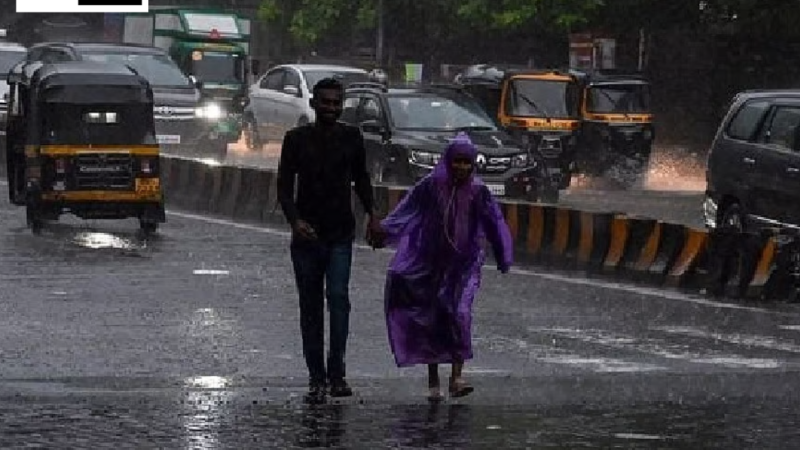
Modi urges Indians to WFH and limit foreign travel as Iran war continues
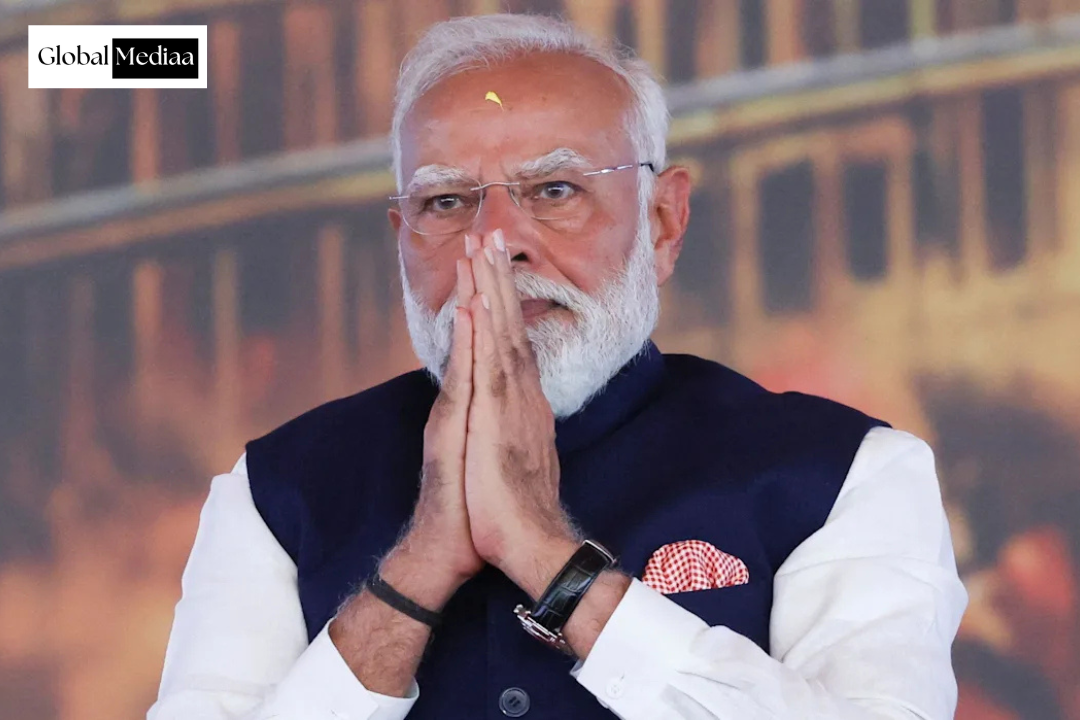
Prime Minister Narendra Modi has appealed to Indians to revive working from home, buy less gold and limit foreign travel to deal with a surge in global energy prices due to the continuing crisis in the Middle East.
Modi said the austerity measures, reminiscent of the COVID era, would reduce India’s fuel use and help save foreign exchange.
India imports 90% of its oil and its crude bill has seen a multi-billion dollar spike since the US and Israel’s war on Iran, with the Strait of Hormuz, a narrow Gulf chokepoint, closed for more than two-and-a-half months now.
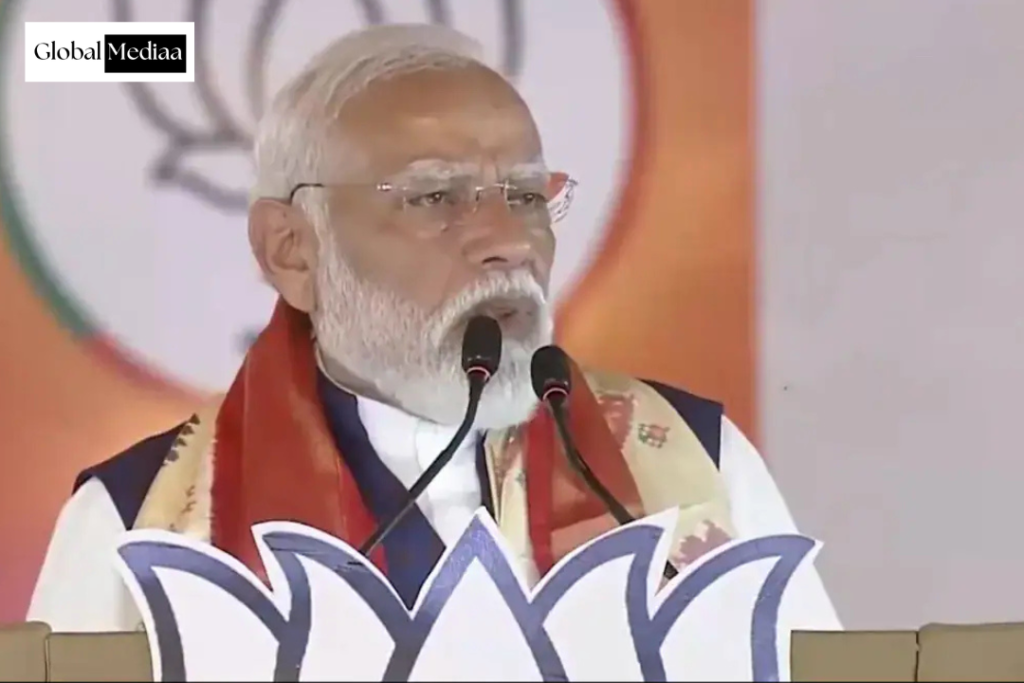
Analysts described Modi’s appeal, made at a public event in the southern city of Hyderabad on Sunday, as the “most drastic” so far.
“Patriotism is not only about the readiness to sacrifice one’s life on the border. In these times, it is about living responsibly and fulfilling our duties to the nation in our daily lives,” Modi said.
“In the present situation, we must place great emphasis on saving foreign exchange,” he added.
Urging people to use public transport such as the metro, Modi suggested people carpool to conserve fuel. He also asked farmers to reduce the use of fertilizer by half.
The effect was visible on Indian markets on Monday – analysts say Modi’s comments was one of the reasons the benchmark Sensex index fell more than 1,000 points in early trade amid fears of prolonged economic disruption.
India has so far avoided raising petrol and diesel prices at the pump despite mounting pressure on state-run fuel retailers. But the extended conflict and disruption to oil supplies have begun to strain the broader economy.
The effect has been visible in a number of industries, with hundreds of thousands of jobs at risk in factories that make glass and plastic products and tiles. Dwindling fertilizer supplies have raised concerns about lower farm produce and higher food prices.
But the effect has been strongest on the Indian rupee, which has hit record lows in recent weeks, increasing the cost of imports and adding pressure on inflation.
Analysts say Modi’s comments indicate the government may soon issue some directives to curb energy use. A price revision of petroleum products could also be on the horizon.
India’s opposition leaders criticized Modi’s comments, saying it pointed to poor planning on the part of the federal government.
Congress party leader Rahul Gandhi said the government was shifting “responsibility onto the people” and escaping accountability themselves.
The Congress on Monday (May 11, 2026) said Prime Minister Narendra Modi’s
“unexpected pleas” to the people from Hyderabad could mean that tough austerity measures may well be on their way, and claimed that the ground-level economic situation is far removed from the “government’s propaganda”.
Narendra Modi’s appeal to Indians to adopt austerity measures and conserve fuel was evidence of the government’s failure, the Opposition said on Monday, prompting a counter-attack by the BJP even as “practice what you preach” barbs flew over the prime minister’s road shows amid his telling the people to work from home.
Leader of Opposition in the Lok Sabha Rahul Gandhi declared that the “compromised PM” was no longer capable of running the country.

Yesterday, Modi Ji called upon the public to make sacrifices — do not buy gold, do not travel abroad, consume less petrol, cut down on fertilizers and cooking oil, take the metro and work from home,” Rahul Gandhi wrote in Hindi on
After Prime Minister Narendra Modi called on companies to adopt work-from-home policies to cope with the interruption in supplies caused by the Iran War, an IT sector employee body has requested a government advisory mandating remote work for the industry. The Nascent Information Technology Employees Senate (NITES) has written to the labor ministry seeking an official statement on the matter. Notably, India’s IT industry employs approximately 5.8 million people across the country. Modi called for WFH at a gathering in Hyderabad on Sunday (May 10), along with several other austerity measures to combat the scarcity of fuel and other supplies. The body also sent the letter to employment minister Mansukh Mandaviya, writing that the move aligns with Modi’s appeal to adopt ways to reduce fuel consumption, cut down on unnecessary travel and adopt remote working practices amid global uncertainties.
The body argued that WFH in the IT/ITES sector will not interrupt productivity, something that was proven during the COVID-19 pandemic. Companies across sectors adopted Work From Home measures in 2020, which stayed the norm for several years. However, companies started moving back to offices in the past three years. “The experience of the pandemic clearly established that compulsory work-from-home in suitable IT roles is practical, technologically feasible, and operationally sustainable,” NITES said in the letter dated 11 May.
NITES said an advisory should direct companies to adopt WFH “wherever operationally viable” for a defined period. Having lakhs of employees commute daily despite the availability of digital alternatives puts “avoidable pressure on fuel consumption, urban infrastructure and public transport”, it said.
PM Modi calls for austerity measures amid Iran War
On Sunday, the PM urged Indians to adopt a set of measures that could help things run smooth as the situation in West Asia continues to remain tense. Despite the ceasefire and later Trump’s announcement that the conflict had ended, things haven’t changed much in the region. The economic ramifications of the over two-month war are still being felt and are not expected to abate soon. With the closure of the Strait of Hormuz, oil supplies took a major hit.
For more such information, connect with us today: : www.globalmediaa.com