CBSE releases three-language policy guidelines under NEP 2020
Current Class 7, 8 and 9 students will not take a Class 10 board exam in their third language, but it will become compulsory for students currently in Class 6.
New Delhi:
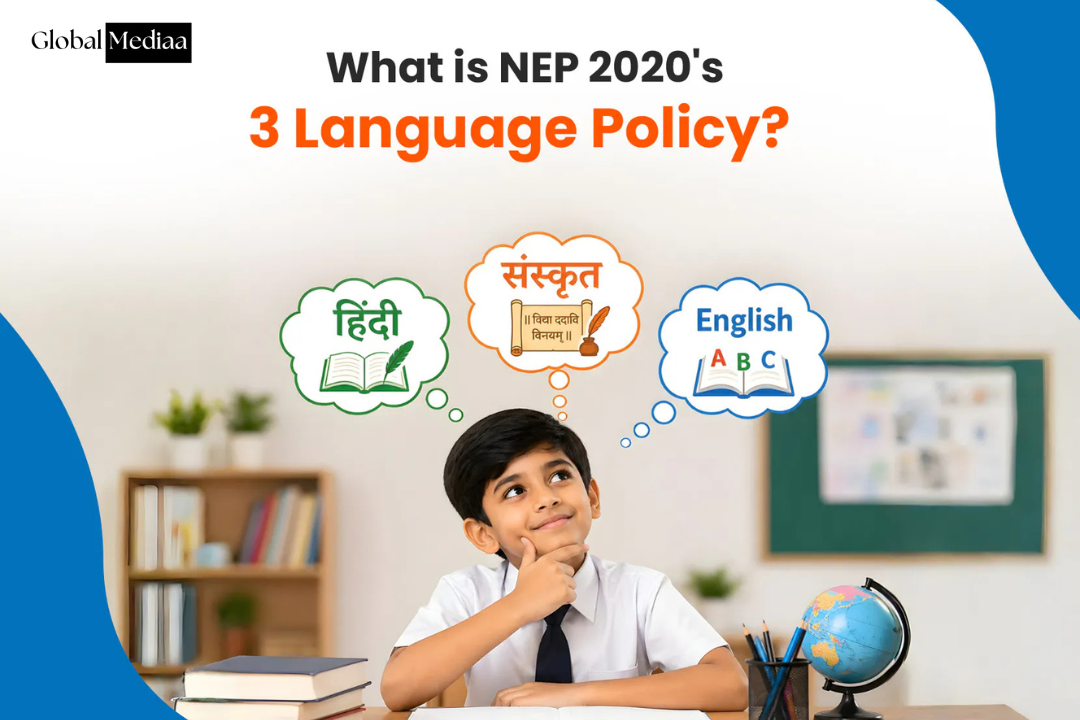
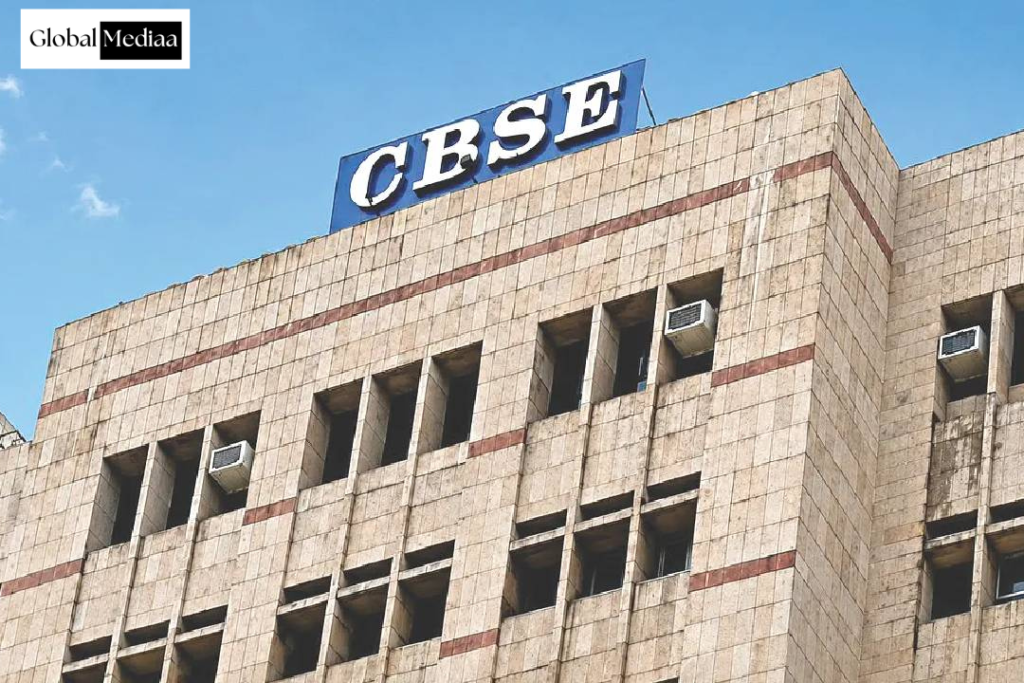
The Central Board of Secondary Education (CBSE) on Monday released detailed guidelines for implementing the three-language policy under the National Education Policy (NEP) 2020 from the academic session 2026-27, mandating that students in Class IX onwards study three languages, with at least two being Bhartiya Bhashas (Indian languages).
The National Education Policy (NEP) 2020 recommends learning three languages, with at least two being native to India (Bhatiya Bhashas). A non-native language may be opted for as the third language (R3) provided the other two are Bhartiya Bhashas,” the CBSE said in a press release.
For the current batches studying in class VII, VIII and IX would not be required to give board examination in third language when they progress to Class
According to the Board, students currently in Class X will continue under the existing system of studying two languages, with no requirement for a third language.
For students entering Class IX in the academic session 2026-27, studying three languages will be mandatory, with at least two required to be Bhartiya Bhashas. “The third language (R3) will be assessed internally by the school. There will be no CBSE Board examination for this language when this batch reaches Class
The CBSE further said students currently in Classes VII and VIII will continue studying three languages as they progress, with at least two being Bhartiya Bhashas. Those studying two non-native languages have been granted a one-time relaxation to add one additional Bhartiya Bhasha as the third language.
“For students currently studying two non-native languages, a one-time relaxation allows them to add only one additional Bhartiya Bhasha as the third language (R3). The third language will be assessed internally by the school, with no CBSE Board examination required in Class
For students in Class VI and subsequent batches, the Board said two of the three languages must be Bhartiya Bhashas and the third language will become a Board-exam subject when these students reach Class X.
“Two out of three languages must be Bhartiya Bhashas. When this batch reaches Class X, they will take a Board examination for the third language (R3),” the CBSE said.
The CBSE also announced exemptions for Children with Special Needs (CwSN) in accord with the Rights of Persons with Disabilities (RPwD) Act, 2016. Schools located outside India and foreign students returning to India have been exempted from studying a native Indian language as the third language.
On implementation, the Board said,
“Students migrating to other states may continue their existing R3 language combination from the middle stage into Class IX.” It also encouraged schools to adopt flexible staffing arrangements, including using existing teachers with functional proficiency, retired teachers, Sahodaya clusters and hybrid teaching methods.
The Board added that CBSE and NCERT would provide grade-appropriate learning resources, while dedicated Class VI textbooks for the third language are available in all 22 scheduled Bhartiya Bhasas on the NCERT website.
This report is auto-generated from ANI news service. ThePrint holds no responsibility for its content.

The current batches of Classes 7, 8, and 9 who have already taken two foreign languages would continue with the same with one additional native Indian language (Bhartiya Bhasha), revised guidelines issued by Central Board of Secondary Education (CBSE) said.
In a circular issued in May, CBSE had stated that students in Class 9 too will have to adopt three-language policy where two of three languages they learn should be native to India. Following this, parents of students who were learning foreign languages like French, German, Japanese, Spanish and so on and were asked to switch mid session had protested at the abrupt switch.
Union Education Minister Dharmendra Pradhan had stated last week that students in Classes 7, 8, and 9 who have taken foreign languages could continue their studies in their respective selected options.
The current batch of Class 10 will not have to follow the new language policy, the education board stated.
The present batches studying in Classes 7, 8, and 9 would not be required to give board examination in third language when they progress to Class 10, the statement further added.
The grade appropriate resource material would be made available in a time-bound manner.
The National Education Policy 2020 recommends learning three languages, with at least two of the three languages being native to India.
“While CBSE aims to equip learners with proficiency in multiple Bhartiya Bhashas (native Indian languages) and promote the vibrancy of language learning, it is equally committed to ensuring that the process of learning and growth remains balanced,” CBSE said in its press statement on Monday (June 29, 2026).
Further, the introduction of the third language (R3) in Secondary Stage (Class 9 and Class 10), is an extension of language learning from the Middle Stage (Classes 6 to 8).
In pursuance of the above objectives, it is considered necessary to issue guidelines regarding the implementation of the language policy in CBSE-affiliated schools with effect from the 2026-27 academic session.
CBSE has reaffirmed that there will be no change for students who are in Class 10 during 2026-27, and they will continue with the old system of two languages. No third language is required to be taken by this batch.
Every student in Class 9 would study three languages. Out of these three languages, at least two would be Bhartiya Bhashas. Examples of Bhartiya Languages: Hindi, Sanskrit, Tamil, Telugu, Kannada, Malayalam, Marathi, Bengali, Punjabi, Gujarati, Odia, Assamese, etc.
For more such information, connect with us today: www.globalmediaa.com