Amarnath Yatra 2026 Guide: Dates, Registration, Routes, Health Guidelines And More

Planning to undertake the Amarnath Yatra 2026? Here’s everything devotees need to know before embarking on the holy pilgrimage.
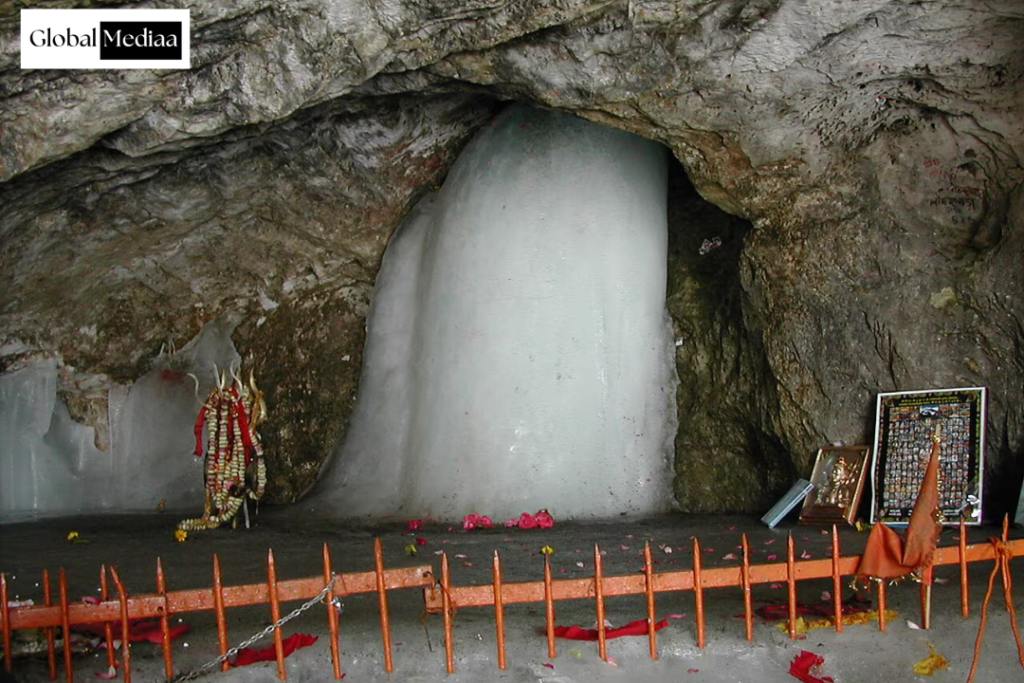
Every year, millions of devotees undertake the sacred Amarnath Yatra to seek blessings at the Amarnath Cave in Jammu and Kashmir, home to the naturally formed ice Shivling. If you’re planning to join the pilgrimage in 2026, here’s a simple guide covering the dates, registration process, entitlement, routes and other important details.
Amarnath Yatra 2026 Dates:
The Shri Amarnathji Shrine Board has announced that the yatra will commence on July 3, 2026, and conclude on August 28, 2026. This year’s pilgrimage will last 57 days, making it longer than the previous edition.
How to Register:
Registration opened on April 15, 2026, and can be completed in two ways: Either via the official Shri Amarnathji Shrine Board website or at over 550 authorized bank branches, including State Bank of India (SBI), Punjab National Bank (PNB), ICICI Bank, Yes Bank, and Axis Bank. Registrations are accepted on a first-come, first-served basis, subject to daily quotas. Booking for a particular yatra date closes seven days in advance.
Eligibility and Health Requirements:
Due to the high-altitude trek, pilgrimages must meet certain conditions. Age should be between 13 and 70 years. A Compulsory Health Certificate (CHC) issued after April 8, 2026, by an authorized doctor or medical institution is compulsory. The health certificate must be verified before the Yatra Permit is issued.
Yatra Permit and RFID Card:
After successful registration, pilgrims will receive a Yatra Permit mentioning their Yatra date, selected route, and entry gate and reporting time. Every registered pilgrim will also receive an RFID card, which helps authorities track movement and respond quickly in case of emergencies.
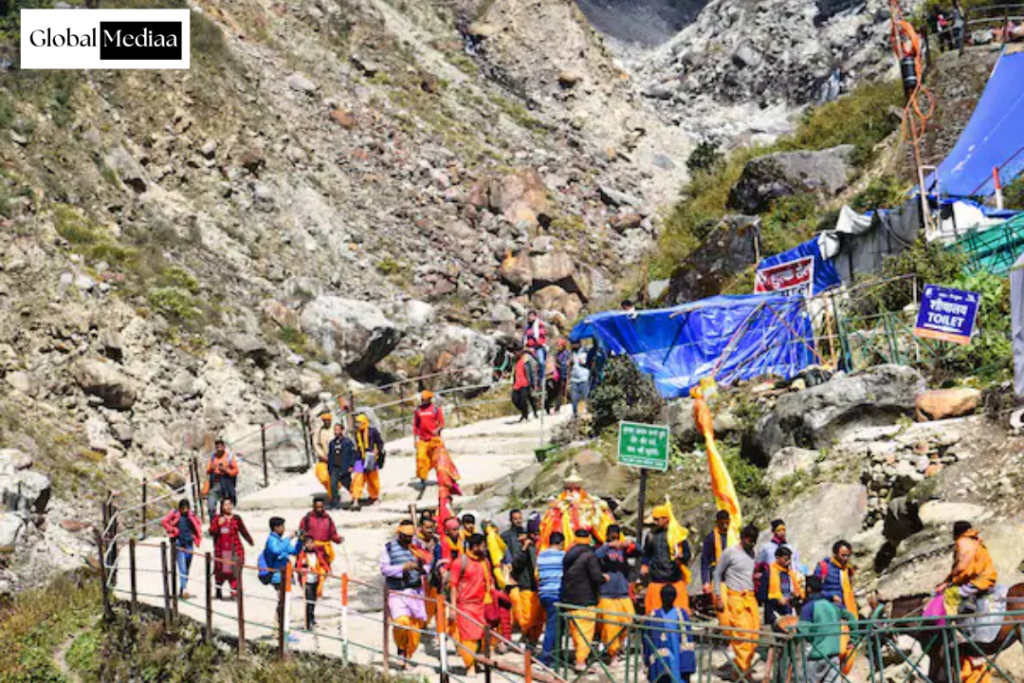
Choose Your Route: Pilgrims can choose between two trekking routes:
Pahalgam Route: Around 48-kilometre-long, this is best for first-time pilgrims as the climb is more gradual.
Baltal Route: While the distance is just around 14 km, this route is steeper and more physically demanding.
Insurance and Safety Measures: All registered pilgrims will receive accident insurance cover of Rs.10 lakh. Authorities have also reinforced safety arrangements by deploying trained mountain rescue teams and improving emergency response systems along both routes.
Security agencies launched coordinated patrols, searches and area dominance exercises across Jammu on Friday ahead of the Amarnath Yatra. The operations are meant to secure the pilgrimage route, strengthen surveillance and reassure residents and pilgrims.
Security agencies conducted out extensive patrolling, area domination exercises and cordon and search operations on Friday as part of security arrangements ahead of the annual Amarnath Yatra. Officials said the steps were aimed at strengthening the security grid, maintaining peace and vigilance, and ensuring a safe and secure environment for pilgrims.
The yatra is scheduled to commence on July 3. Officials said the operations were also meant to improve operational preparedness, gather ground-level intelligence, identify potential security concerns and ensure effective coordination among the agencies deployed in the region.
As part of the exercise, police, in coordination with the Central Industrial Security Force and the Border Security Force, carried out a joint long-range patrolling exercise from Rathana to Salehar, Chak Jagtoo and adjacent areas in the Arnia border belt.
Authorities said the patrolling was aimed at maintaining close surveillance along the border, preventing anti-social activities and ensuring a visible security presence. Security personnel also interacted with local residents during the exercise, they said.
Officials said the presence of police,
CISF and BSF personnel instilled a sense of security among local residents. In another operation, police conducted extensive area dominance exercises in R S Pura, Bishnah, Arnia and Miran Sahib to ensure a peaceful environment ahead of the yatra.
The exercises covered sensitive locations, border-adjoining villages, crowded markets, bus stands and other strategic points. Security personnel carried out intensive patrolling, vehicle checking, verification of doubtful persons and enhanced surveillance in vulnerable areas, officials said.
Police, in coordination with the Central Reserve Police Force, also conducted a cordon and search operation in Katal Batal, Tahra and Railway Station Bajalta. Officials said the operation covered the Jammu-Srinagar National Highway, the designated Amarnath Yatra route, and the adjacent railway station area to ensure a secure environment for pilgrims and the general public.
Overall, the security operations covered border areas, public spaces and the Yatra route as agencies stepped up surveillance and coordination ahead of the pilgrimage starting on July 3.
The Amarnath Yatra 2026 will officially begin on July 3, 2026, and conclude on August 28, 2026, spanning a total duration of 57 days. This yearly high-altitude pilgrimage to the holy cave shrine of Lord Shiva in Jammu and Kashmir coincides with the auspicious Hindu month of Shravan, ending on the day of Raksha Bandhan.
Key Dates & Core DetailsYatra Duration:
57 days (July 3 – August 28, 2026). Pratham Puja: Held on June 29, 2026, marking the formal ritual start. Registration Commencement: Advance bookings started on April 15, 2026. Registration Window: Closes strictly seven days in advance for any given travel date.
Registration Process & FeesDevotees must complete a mandatory registration process to secure a yatra permit.Online Registration: Available through the official portal of the Shri Amarnathji Shrine Board (SASB) or the dedicated SASB mobile app.Offline Registration: Conducted at over 550 designated bank branches across India, including the State Bank of India (SBI), Punjab National Bank (PNB), ICICI Bank, Yes Bank, and J&K Bank.Registration Fee: ₹150 per pilgrim for Indian. nationals.Mandatory RFID Cards: All registered pilgrims must collect an RFID tracking tag from designated centers in Jammu or Srinagar after biometric verification; access gates will not allow entry without it.
For more such information, connect with us today: : www.globalmediaa.com