PM Modi Holds Talks With Nordic Counterparts Ahead Of Oslo Summit
The Nordic countries refer to a geopolitical and cultural region in Northern Europe and the Northern Atlantic. It comprises Denmark, Finland, Iceland, Norway and Sweden.
Oslo:
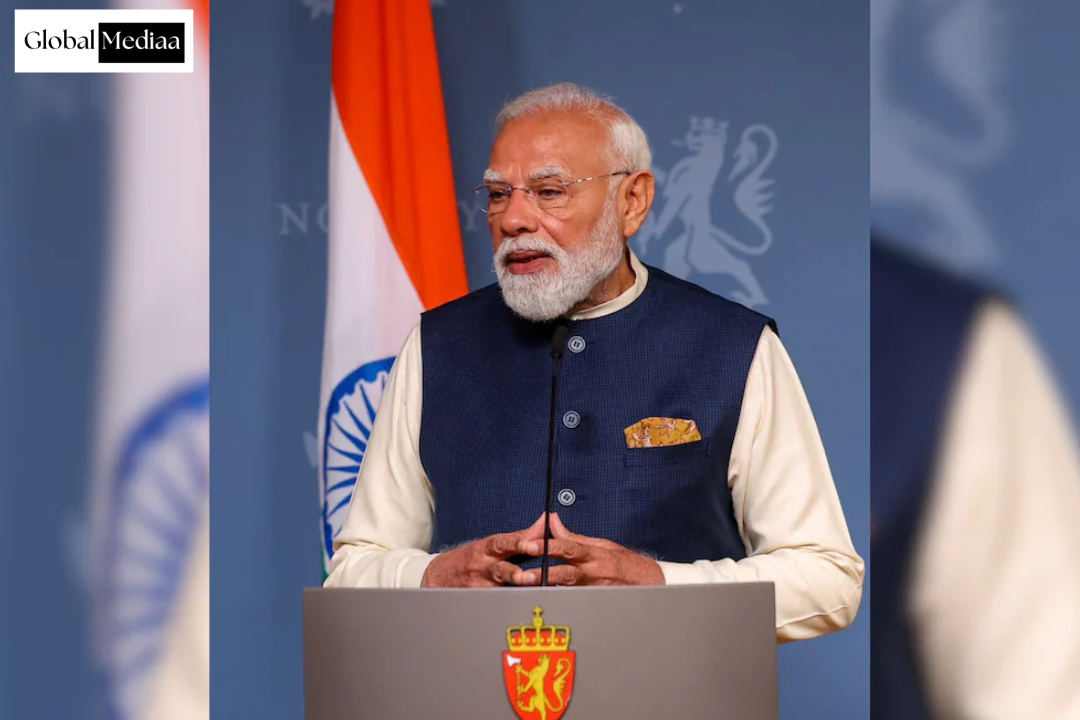
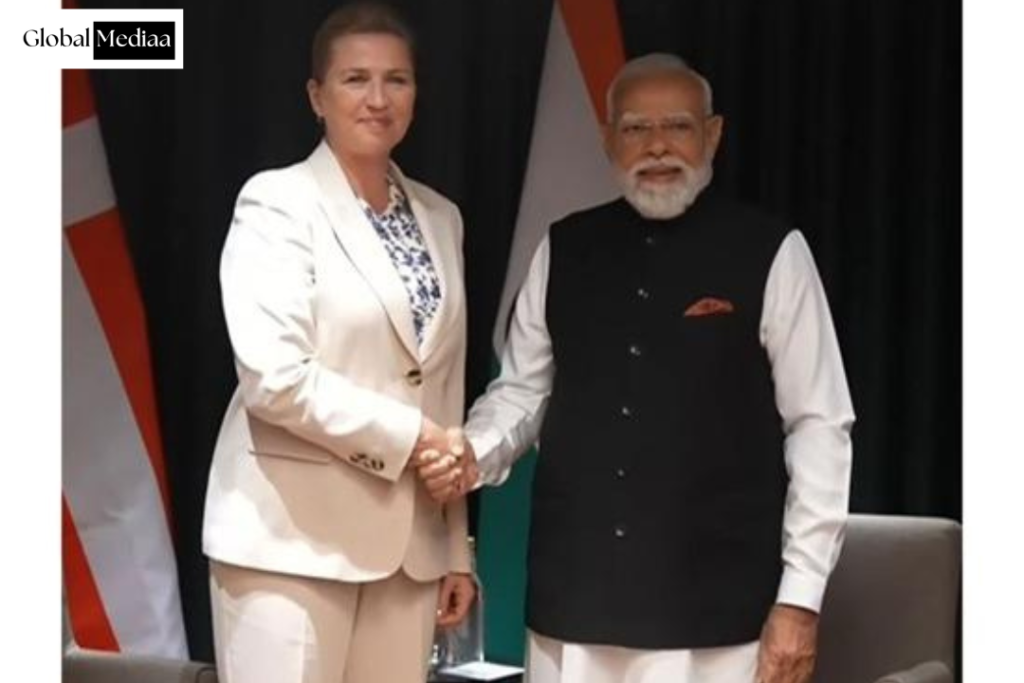
Prime Minister Narendra Modi on Tuesday discussed ways to further tighten bilateral ties in areas such as trade and renewable energy during separate meetings with his counterparts from Iceland, Finland and Denmark.
PM Modi held the meetings ahead of the 3rd India-Nordic Summit.
During his talks with Iceland Prime Minister Kristrun Frostadottir, Finland Prime Minister Petteri Orpo and Danish Prime Minister Mette Frederiksen, PM Modi discussed the overall trajectory of bilateral relations between India and the three Nordic nations.
The Nordic countries refer to a geopolitical and cultural region in Northern Europe and the Northern Atlantic. It comprises Denmark, Finland, Iceland, Norway and Sweden.
The five Nordic nations boasts a combined GDP exceeding USD 1.9 trillion, and they lead global benchmarks in renewable energy and sustainable ocean governance.
Oslo is hosting the 3rd India-Nortic Summit, bringing together Modi and the leaders of Norway, Denmark, Finland, Iceland and Sweden.
The summit, to be held later in the day, is expected to build on the previous India-Nordic Summits held in Stockholm in 2018 and Copenhagen in 2022 and confer a greater strategic dimension to India’s engagement with the Nordic countries in areas such as technology and innovation, green transition and renewable energy, sustainability, blue economy, defence, space and the Arctic, officials said.
PM Modi arrived in Norway from Sweden on Monday as part of his five-nation tour.
The prime minister is on a tour of the UAE, the Netherlands, Sweden, Norway and Italy from May 15-20. From Norway, Modi will travel to Italy in the final leg of his tour.
According to the website of the Indian Embassy in Reykjavik, India and Iceland share close cultural ties, with Icelanders showing eager interest in Indian culture, including yoga, classical music, dance, films and cuisine. Around 600 Indian nationals are currently living in Iceland.
The two countries also maintain strong business partnerships with Danish firms such as Ossur, Verkis, Alvotech and Marel, having a presence in India.
The bilateral economic partnership received a boost after the signing of the Trade and Economic Partnership Agreement (TEPA) between India and the European Free Trade Association (EFT) in New Delhi in March 2024. Iceland is one of the four EFTA members, along with Switzerland, Liechtenstein and Norway.
As per the Indian Embassy’s website in Helsinki, over 100 Finnish companies have operations in India. Large Finnish companies like Nokia, Kone Lifts, Metso Outotec, Wartsila, UPM, Lindstrom, Fortum, Ahlstrom, and Elcoteq have manufacturing facilities in India.
There are approximately 33,445 persons of Indian origin living in Finland, comprising around 15,115 Non-Resident Indians (NRI) and 18,330 Overseas Citizens of India (OCI). Around 2,400 Indian students are pursuing their higher education in Finnish universities.
Around 200 Danish companies have invested in India in sectors such as shipping, renewable energy, environment, farming, food processing and smart urban development, according to the Indian Embassy in Copenhagen.
Several major Danish companies have built new manufacturing factories under the ‘Make in India’ scheme. Major investing companies from Denmark include the Danish shipping giant, AP Moller-Maersk Group, carrying about 19 per percent of India’s container trade.
The size of the Indian community in Denmark is around 22,000. These included IT professionals, doctors, engineers, finance and banking professionals, academics and students.
India and the five Nordic nations of Norway, Sweden, Finland, Iceland and Denmark are holding a top-level summit in Oslo, seeking to beef up strategic and trade ties.
The India-Nordic summit on Tuesday is the meeting’s third edition. This comes just months after India and the European Union signed a free trade agreement and a year after India signed a trade and economic partnership agreement with Iceland, Liechtenstein, Norway and Switzerland.
Russia’s ongoing war on Ukraine, United States President Donald Trump’s tariffs on global imports and the US-Israel war on Iran have all affected India’s economy and energy security, and New Delhi has been trying to widen its relations with many other countries in the West.
The first edition of the India-Nordic Summit took place in Sweden’s capital Stockholm in 2018, and the second took place in Denmark’s capital Copenhagen in 2022.
What’s on this year’s summit agenda and why is it significant?
Here’s what we know:
Who is attending the summit?
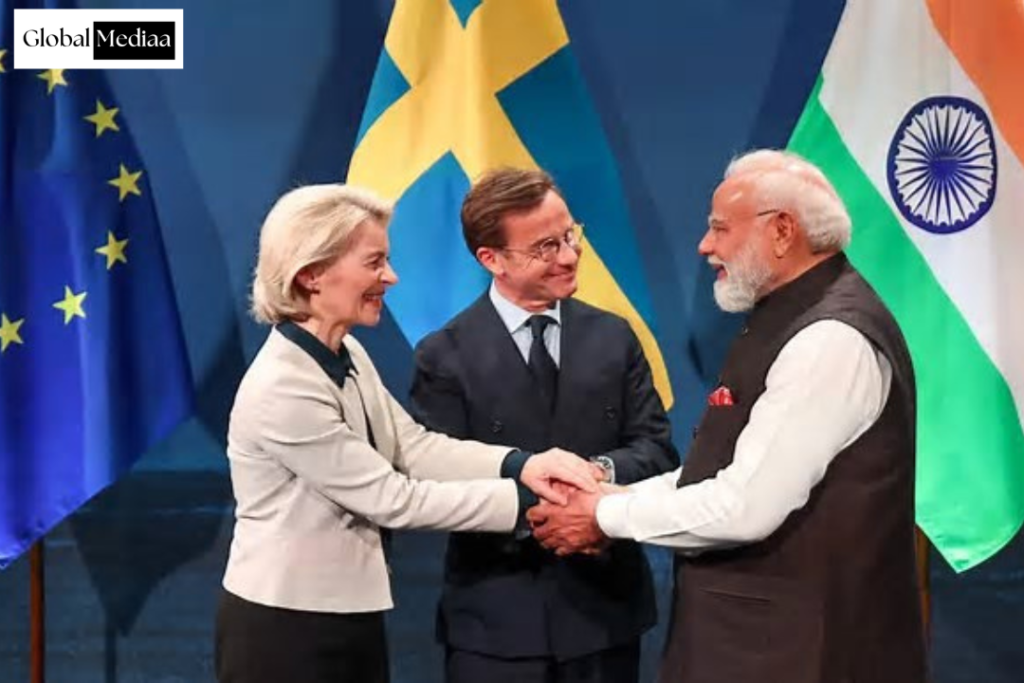
Indian Prime Minister Narendra Modi, Norwegian Prime Minister Jonas Gahr Store, Danish Prime Minister Mette Frederiksen, Finnish Prime Minister Petteri Orpo, Icelandic Prime Minister Kristrun Frostadottir, and Swedish Prime Minister Ulf Kristersson will be at the summit.
Modi’s presence at the summit also marks the first visit by an Indian prime minister to Norway in 43 years, since Indira Gandhi in 1983.
What is on the summit’s agenda?
Trade, climate change, energy security and geopolitical issues – especially Russia’s war on Ukraine and the economic impacts of the US-Israel war on Iran – are among the key subjects leaders are expected to discuss at the summit.
According to a May 11 statement by India’s Ministry of External Affairs, the summit will “impart a more strategic dimension to India’s relationship with the Nordic countries, especially in technology and innovation, green transition and renewable energy, sustainability, blue economy, defence, space and the Arctic.”
Nordic exports of green technology, renewable energy, and industrial machinery to India, and Indian exports of pharmaceuticals, machinery and consumer goods like textiles to the Nordic nations are expected to feature in the talks.
India’s trade with Nordic nations collectively stood at $19bn in 2024. Several companies from the region, like Finland’s Nokia and Sweden’s Volvo and Ikea, have a significant presence in India. In addition, Indian shipyards are building vessels that account for about 11 percent of the Norwegian Shipowners’ Association’s order book.
“The visit [Modi’s] will also provide an impetus to India’s bilateral trade and investment ties with Nordic countries as well as help build resilient supply chains following the India-EU FTA (Free Trade Agreement) and India-EFTA TEPA (a trade and economic partnership agreement between India and Iceland, Liechtenstein, Norway, and Switzerland),” India’s External Ministry added.
For more such information, connect with us today: : www.globalmediaa.com