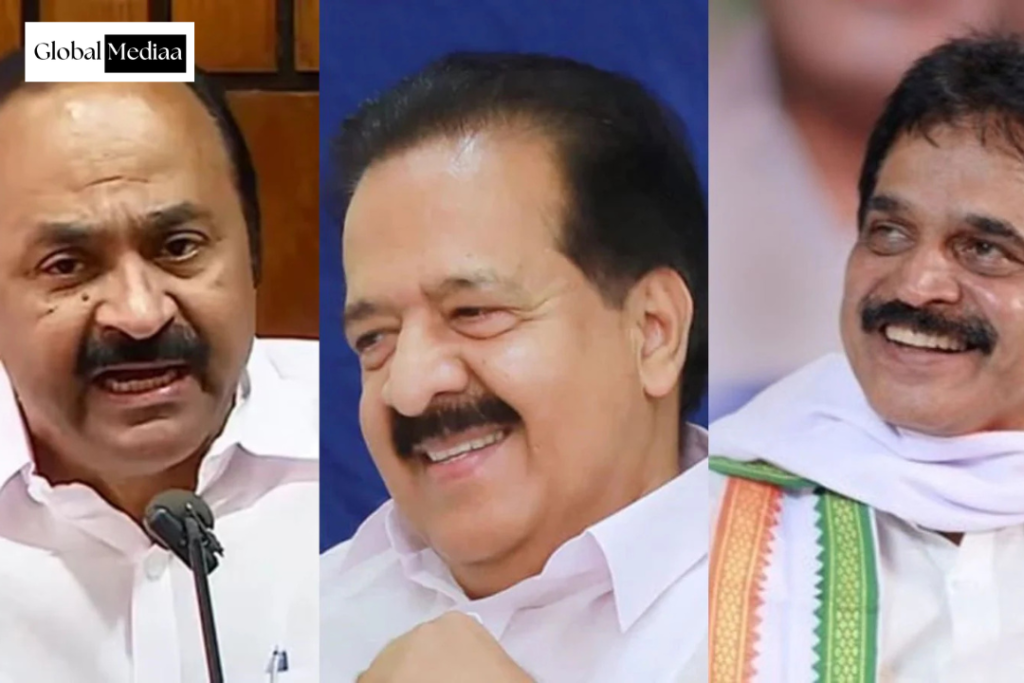
Kerala politics: Congress CM-designate Satheesan praises fellow candidates Chennithala and Venugopal in UDF’s
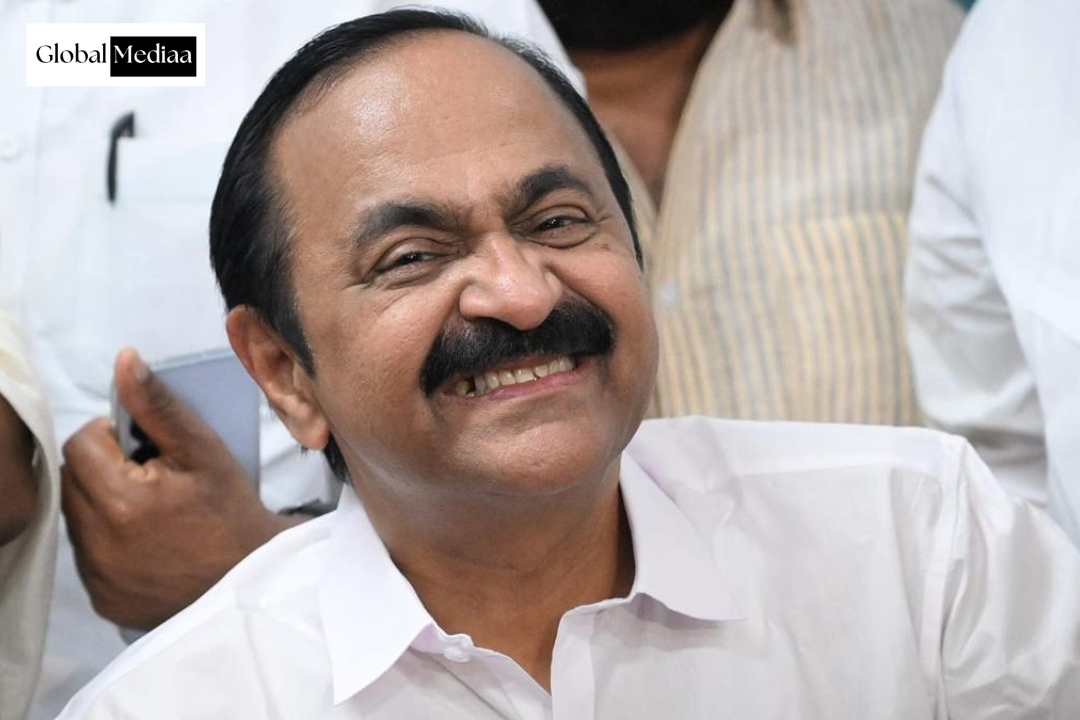
Congress leaders and newly elected MLAs extended their greetings to V.D. Satheesan soon after the AICC announced him as the CM of Kerala
The All India Congress Committee (AICC) on Wednesday (May 14, 2026) announced Congress leader V.D. Satheesan as his pick for Kerala Chief Minister’s post, putting an end to the high drama and suspense that lasted all of ten days after the declaration of the State Assembly election results on May 4.
Kerala politics
The announcement was made at the press briefing by Ajay Maken, Mukul Wasnik, and Deepa Dasmunshi at the AICC Office.
With the announcement, Congress will proceed to form the government in the State, ending days of speculation as the top leaders tussled among themselves for the post.
On Wednesday, the party supporters were gathered in front of the residences of the three top contenders for the post, AICC general secretary K.C.Venugopal, senior leader Ramesh Chennithala in Alappuzha, and former Leader of the Opposition V.D. Satheesan at Paravur in Ernakulam.
The Congress-led United Democratic Front (UDF) had won 102 seats in the Kerala Assembly polls, pushing the CPI(M)-led Left Democratic Front (LDF) to the second position.
Rahul Gandhi was seen as leaning towards Venugopal. Priyanka Gandhi favored Satheesan, whilst Sonia Gandhi was more sympathetic to Chennithala. In that triangular power play, Priyanka’s reading prevailed.
After what seemed like a lifetime in the political timeline of Kerala, the Congress has elected VD Satheesan as the state’s next Chief Minister.
Satheesan’s elevation is, first and foremost, a political lesson of immense importance for every aspirant to high office across parties. The establishment may have their preferences. The arithmetic within the system may have appeared to please others. Yet, what ultimately prevailed was sustained political capital earned through relentless groundwork, public credibility, and organic acceptance among citizens and citizens alike.
For five years, Satheesan invested in the ground. In the end, even the high command had to concede to the weight of public sentiment conveyed by those who truly understood the pulse of Kerala.
That is why this is not just Satheesan’s victory. It is also K.C. Venugopal’s defeat. More importantly, it is a major face loss for Rahul Gandhi.
Venugopal was no ordinary contender.
He was the AICC general secretary in charge of organisation, widely regarded as one of the most powerful figures in today’s Congress, and seen as Rahul Gandhi’s preferred choice for Kerala. Reports indicated that a substantial bloc of newly elected Congress MLAs backed him; one account put the number at 47 out of 63. Yet, despite that institutional heft, and despite Rahul’s apparent preference, he could not cross the final line. Satheesan did.
When Kamal Nath became Chief Minister in Madhya Pradesh, Digvijaya Singh was seen as having played a part; when Ashok Gehlot edged ahead in Rajasthan, Ahmed Patel’s influence mattered; in Chhattisgarh, Bhupesh Baghel refused to yield to the alleged two-and-a-half-year power-sharing arrangement; in Karnataka, Siddaramaiah has continued to resist recurring pressure over leadership change.
Against that background, Kerala stands out. Here, it was not a regional strongman defying Delhi, but Rahul Gandhi’s own preferred man – Venugopal himself, supposedly among the most powerful men in the party – failing to secure the office he wanted.
The question many Congressmen will ask is stark: if Rahul Gandhi and KC Venugopal together could not deliver Kerala, who will fear their displeasure now?
How Kerala Forced Delhi To Retreat
After the UDF’s emphatic victory – 102 seats in a 140-member Assembly, with the Congress winning 63 – the party should have moved swiftly to install a government. Instead, it spent 10 bruising days unable to settle the leadership question. What ought to have been a moment of consolidation became an exhibition of hesitation.
The delay deepened the contrast between the two principal claimants. Venugopal had organisational clout, Delhi access, and legislative numbers projected in his favour. Satheesan had the political ownership of the mandate. As Leader of the Opposition, he had spent five years attacking the Pinarayi Vijayan government, sharpening the anti-LDF narrative, and becoming the most recognisable face of the Congress-led fightback in Kerala. Allies and cadres saw the UDF’s victory as inseparable from his political labour.
The longer Delhi hesitated, the stronger that sentiment became.
The IUML, the UDF’s most important ally, was seen as favouring Satheesan. Workers rallied for him. MLAs reportedly faced anger in their constituencies. Posters appeared in Wayanad and Kozhikode warning Rahul and Priyanka Gandhi against imposing Venugopal. By then, the contest had ceased to be an internal leadership exercise. It had become a public test of whether the Congress high command was willing to hear Kerala at all.
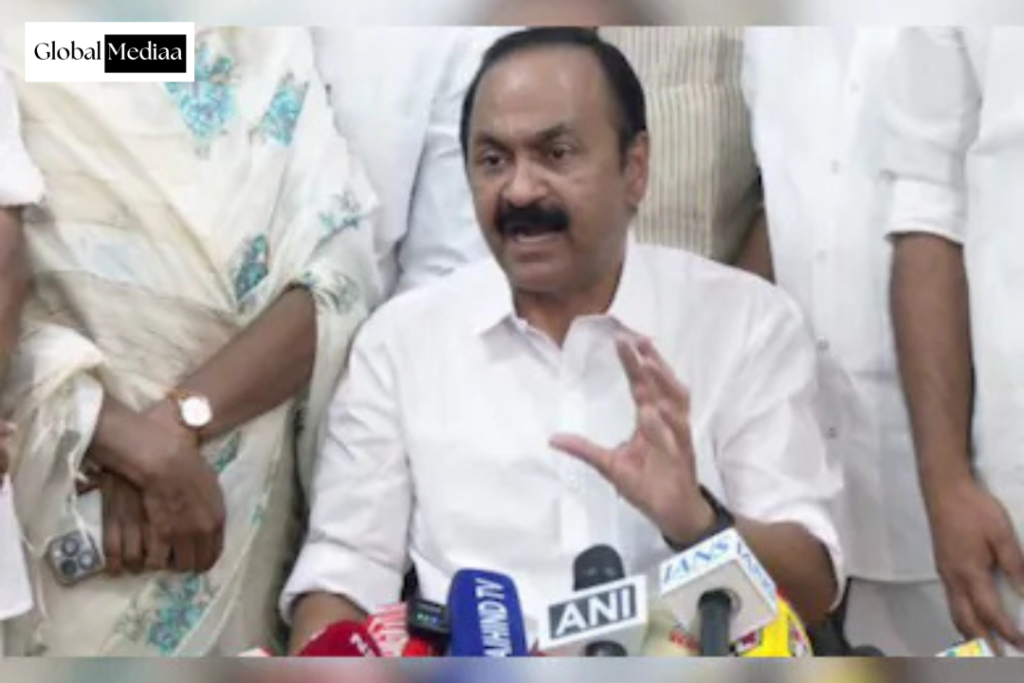
By choosing Satheesan, Congress conceded a fundamental truth:
a Chief Minister cannot be selected as though the election campaign were irrelevant. Legislators matter. Delhi equations matter. But the political meaning of the verdict matters more. In Kerala, that meaning pointed unmistakably to Satheesan.
For more such information, connect with us today: : www.globalmediaa.com