Historic India-EU Trade Deal Could Impact Prices Of Weight Loss And Lifesaving Drugs, Here’s How
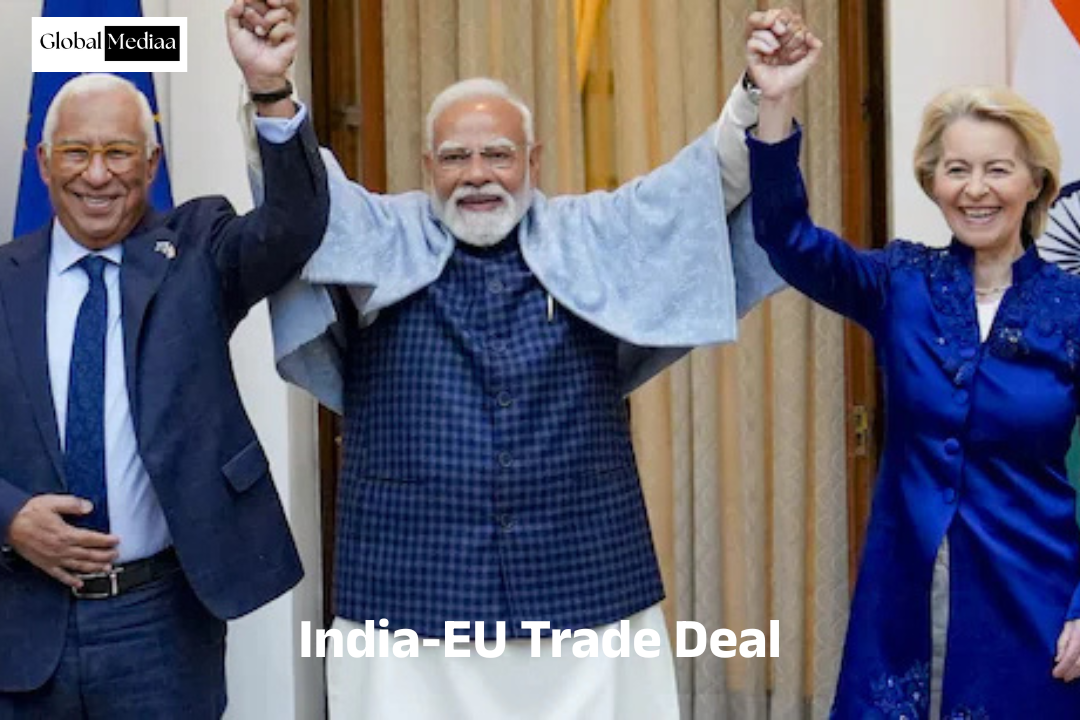
India’s landmark free trade deal with the European Union may lower import costs for some medicines, including weight-loss and life saving drugs. But experts say patient prices will depend on patents, regulation, and how benefits pass through the supply chain.
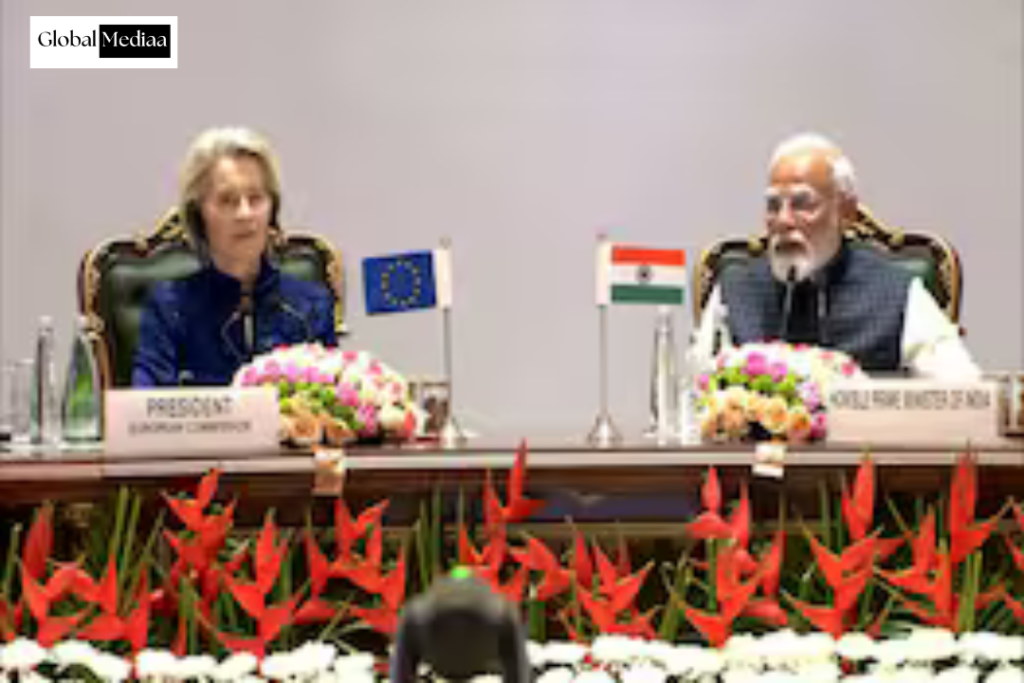
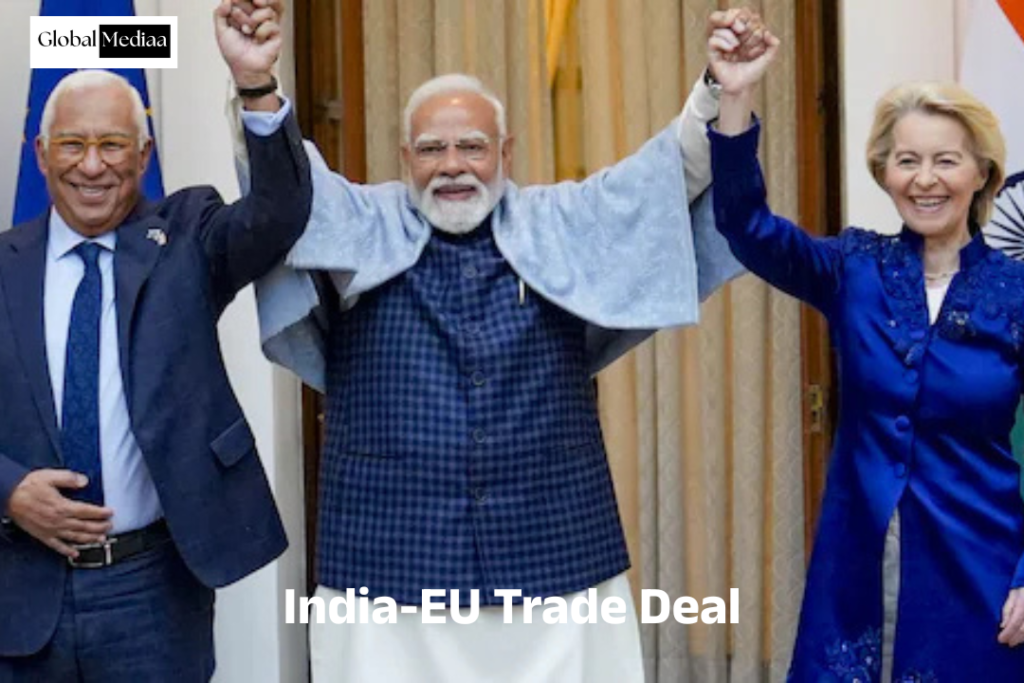
India and the European Union have finalized a landmark Free Trade Agreement (FTA) after nearly two decades of negotiations, marking one of India’s most ambitious trade pacts to date. The agreement aims to remove or sharply reduce tariffs on a vast majority of goods traded between the two economies, including pharmaceuticals, a sector crucial to public health as well as India’s export strength. Pharmaceuticals occupy a unique place in the India-EU trade relationship. India is a global leader in generic medicines and vaccines, while the EU is home to several multinational drug manufacturers producing high-value, innovative therapies. Under the new deal, tariffs on most EU exports to India, including chemicals, medical devices and medicines, are expected to be phased out over time.
According to an official Press Information Bureau (PIB) release, the India–EU partnership has deepened across trade, investment, innovation, and technology, reflecting longstanding collaboration that predates the current agreement and which already encompasses areas such as science and medical research. This expanded engagement sets the stage for smoother trade in high-value sectors like pharmaceuticals, where both parties stand to benefit from reduced barriers and stronger regulatory alignment.
While official statements from the EU Council’s summit press releases focus on high-level collaboration across economic and innovation domains, they highlight trade, including pharmaceutical products, as a pillar of mutual benefit and resilience. This framework signals a long-term intention to integrate markets more closely, which may ultimately improve the availability and cost-competitiveness of medicines both imported from Europe and manufactured in India.
But could the trade deal make medicines cheaper in India?
How The India–EU Trade Deal Could Impact Drug Prices: Lower Tariffs, Lower Import Costs
According to official statements, the FTA will eliminate up to €4 billion worth of tariffs on EU imports, including pharmaceutical products. This could reduce customs duties that currently apply to imported drugs, medical devices and active pharmaceutical ingredients (APIs).
For imported drugs, including some high-end cancer therapies, biologics and weight-loss medications produced in Europe, lower tariffs can reduce the landed cost, the price after customs duty and freight. In theory, this makes it cheaper for distributors and hospitals to source such drugs.
Responses from the Indian pharmaceutical industry suggest that the trade deal can have a transformational effect for healthcare access in India.
“In the short term, we anticipate a mild price reduction of 10-20%, but the real impact will unfold over the next 2-3 years, with prices potentially dropping by 40-70% once local manufacturing scales up, biosimilars enter the market, and patent expiries align,” says Saurav Ojha, Co-Founder & Whole-Time Director, Iberia Pharmaceuticals. “This shift is particularly critical in the context of weight-loss drugs in the GLP-1 class, such as semaglutide and tirzepatide. India already has over 101 million diabetics, alongside a rapidly rising obesity and metabolic syndrome burden, making access to these therapies a public health priority. The trade deal can enable faster entry of bio localsimilars and generics, encourage manufacturing, and reduce dependence on imports, which has historically kept these drugs expensive. And out of reach. Such streamlined regulatory standardization can also help reduce time-to-market delays, thereby ensuring earlier availability of affordable alternatives. Affordable weight-loss drugs have the potential to become a pillar of preventive healthcare, helping reduce long-term complications, healthcare costs, and disease burden. From this perspective, the India-EU Trade Deal is not just a trade agreement, but a catalyst for more equitable and sustainable healthcare outcomes in India.
However, tariff reductions alone do not automatically translate into lower prices for patients.
India-EU Seal Historic Trade Deal Amid Global Turmoil. Why It Matters
Weight-Loss Drugs: Why Prices May Not Fall Quickly
New-generation weight-loss drugs, particularly GLP-1 receptor agonists like Ozempic, Mounjaro and Wegovy, are among the most expensive medications globally. Many are still under patent protection, allowing manufacturers to set prices with limited competition.
Even if import duties fall:
Patent holders retain pricing power
Regulatory approvals remain mandatory
Distribution, storage and marketing costs added to retail prices
India’s drug pricing regulator, the National Pharmaceutical Pricing Authority (NPPA), does not currently cap prices of most obesity medications, meaning market forces largely determine costs. It is important to note that meaningful price reductions are more likely when patents expire and domestic producers introduce generic or biosimilar versions, rather than through tariff cuts alone.
Lifesaving Drugs: Where the Deal Could Matter More
The effect may be more nuanced for lifesaving medicines, especially those used in oncology, cardiology, endocrinology and rare diseases.
- Access to Advanced Therapies May Become Easier
Many advanced therapies, including certain cancer drugs, immunotherapy and enzyme replacement therapies, are manufactured primarily in Europe. Reduced tariffs could:
Improve availability
Lower procurement costs for hospitals
Reduce pressure on public healthcare budgets
For government-run health schemes and tertiary hospitals that purchase medicines in bulk, even modest reductions in import costs can translate into better access or expanded coverage.
- APIs and Raw Materials
India imports several specialized APIs and intermediates from the EU. Cheaper access to these inputs can lower manufacturing costs for Indian drug companies, potentially benefiting both domestic patients and global supply chains.
Why Cheaper Imports Don’t Always Mean Cheaper Medicines
Several factors beyond trade policy shape drug prices in India:
Pricing Regulation:
India regulates prices of essential medicines but not all drugs. Many lifesaving therapies and newer biologicals fall outside price control mechanisms, limiting the immediate impact of tariff cuts.
Supply Chain Costs: Cold storage, specialized transport, hospital margins and pharmacy mark-ups significantly influence final prices, especially for biologics and injectables.
Patent and Data Exclusivity: The trade deal does not automatically alter India’s patent laws. As long as exclusivity remains, manufacturers can maintain higher prices regardless of tariff reductions.
Ozempic Injection Price in India: How Affordable Is It For Diabetes And Weight Loss?
What the Deal Means for Indian Pharma and Public Health
The FTA is expected to strengthen India’s position as a global pharmaceutical hub. Easier access to EU markets could boost exports of Indian generics and biosimilars, while technology transfer and cooperation may improve domestic manufacturing capacity.
From a public-health perspective, the biggest gains may come not from cheaper weight-loss medications, but from:
Better access to advanced lifesaving medicines
More stable supply chains
Long-term cost efficiencies in healthcare delivery
The India-EU Free Trade Agreement opens the door to potential cost reductions in both weight-loss and lifesaving medications, but it is not a magic bullet for affordability. While lower tariffs can ease import and manufacturing costs, patient prices will ultimately rely on patents, regulation, domestic competition and healthcare policy.
For Indian patients, the real benefits are likely to emerge gradually, through improved access, stronger supply chains and, ultimately, greater competition, rather than immediate price cuts at the pharmacy counter.
For more such information, connect with us today: : www.globalmediaa.com