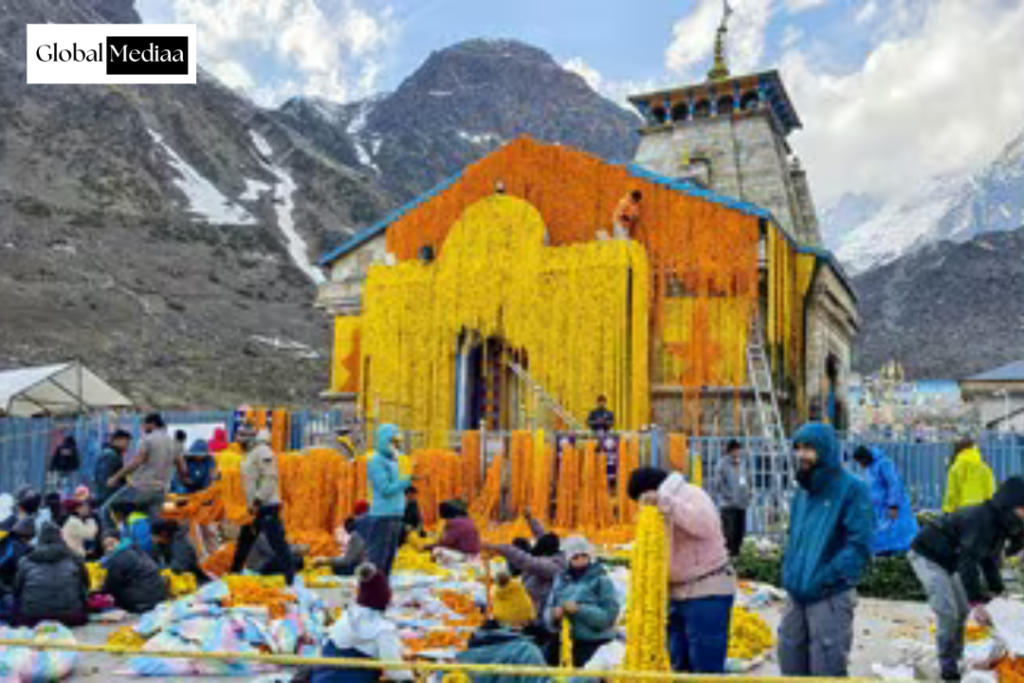
Baba Kedar’s Doli reaches Kedarnath Dham: 57km trek completed in 3 days; doors to open tomorrow
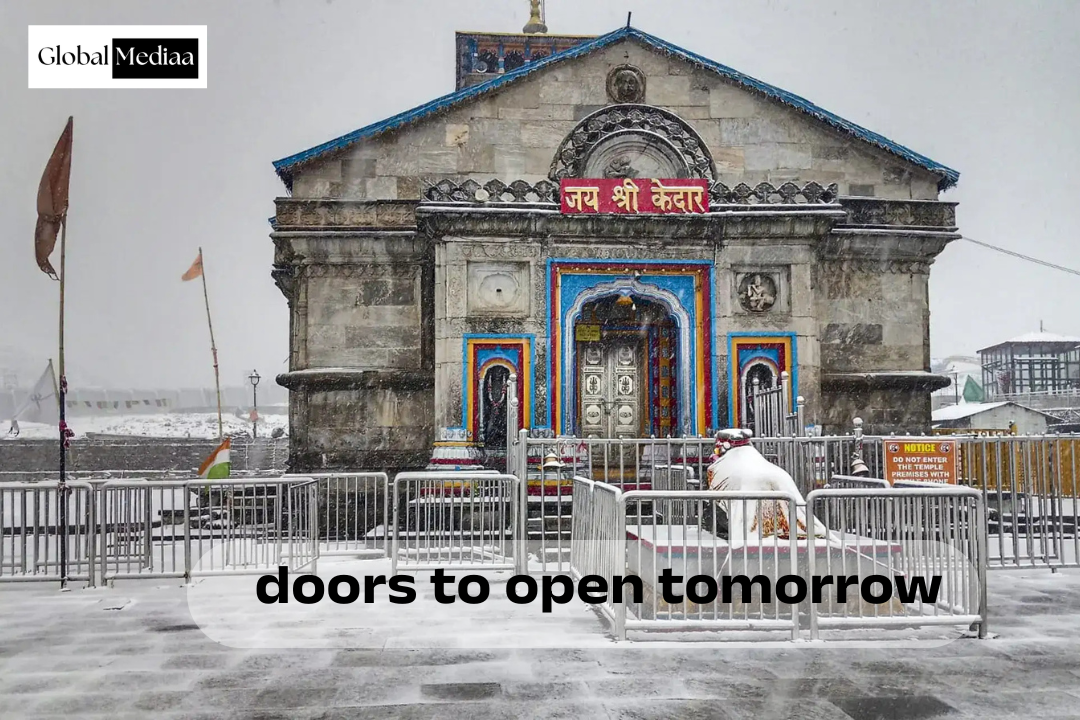
The portals of Kedarnath Dham are set to open on Wednesday,
allowing devotees to seek blessings at one of Hinduism’s most holy shrines. The opening of Badrinath Dham on April 23 will mark the full initiation of the Char Dham Yatra 2026 in Uttarakhand.
There is immense excitement among devotees across the state and beyond, with pilgrims arriving in large numbers from different parts of India and abroad to undertake the revered journey. The Char Dham Yatra, one of the most significant spiritual pilgrimages in the country, has already begun with the opening of Gangotri and Yamunotri on the auspicious occasion of Akshaya Tritiya after a six-month winter break.
Amid chants of Vedic hymns and traditional rituals, the temple doors were opened, ushering in a new pilgrimage season expected to draw lakhs of devotees. The yatra takes pilgrims through four sacred shrines nestled in the Himalayas, Yamunotri, Gangotri, Kedarnath, and Badrinath each surrounded by snow-clad peaks, flowing rivers, and picturesque mountain routes.
Traditionally, the pilgrimage starts at Yamunotri, followed by Gangotri, then Kedarnath, and concludes at Badrinath, following a west-to-east sequence. Authorities have made extensive arrangements to ensure a smooth and safe experience for pilgrims. Extensive measures have been implemented for security, traffic management, and healthcare services.
Facilities related to sanitation, parking, and accommodation along the yatra routes have been streamlined. Both online and offline registration processes are currently ongoing to manage the large influx of devotees. Police personnel and State Crisis Response Force (SDRF) teams have been deployed across key locations, with a special focus on disaster preparedness.
In addition, helplines and control rooms have been activated to aid pilgrims and address any emergencies during the journey.
The opening date of the Kedarnath temple is traditionally decided by the Char Dham Temple Committee at the Omkareshwar Temple in Ukhimath on the occasion of Maha Shivratri. In 2026, Maha Shivratri was observed on February 15.
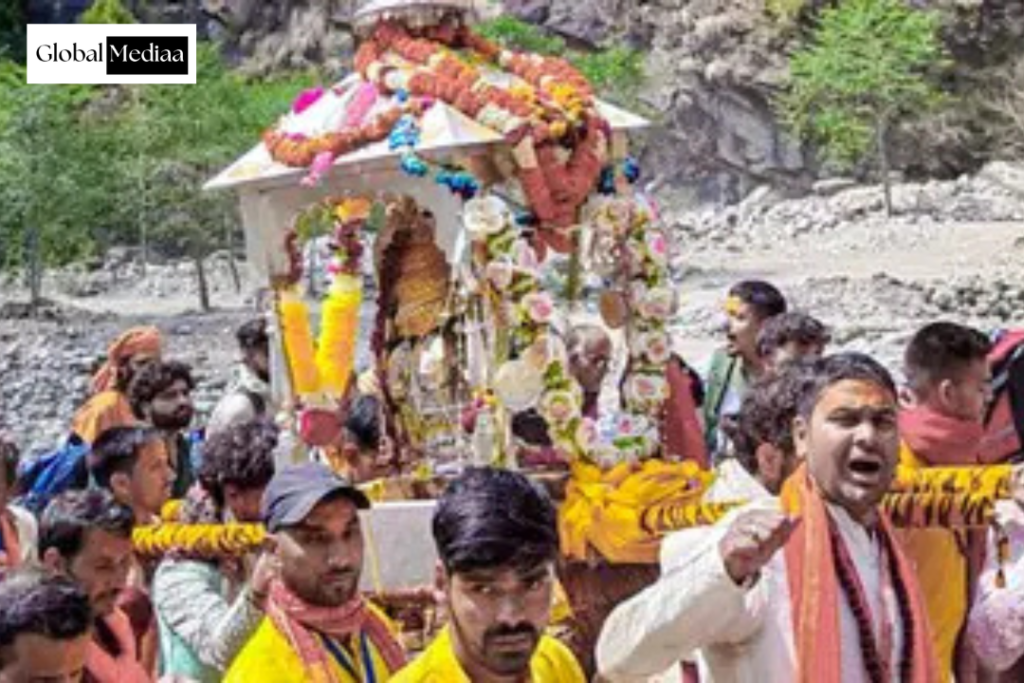
The opening ceremony of Kedarnath is a grand and spiritually significant event that attracts devotees from across the globe. A day prior to the opening, the Kedarnath Doli (palanquin) is carried in a ceremonial procession from Gaurikund to the temple, covering a challenging 16-km trek on foot.
The grand opening begins with elaborate Vedic rituals performed by priests, following which the idol of Lord Kedarnath is unveiled for darshan. With spiritual fervour at its peak and robust arrangements in place, the Char Dham Yatra 2026 is witnessing a vibrant and devotional beginning.
The holy Char Dham temples have reopened, marking the commencement of one of India’s most revered spiritual pilgrimages.
The 2026 Char Dham Yatra
officially began in Uttarakhand with the opening of the Gangotri and Yamunotri shrines on the auspicious occasion of Akshaya Tritiya, following a six-month winter closure.
Amid the chanting of Vedic hymns and religious rituals, the temple doors were opened, ushering in a pilgrimage season expected to attract millions of devotees from across the country.
The Char Dham Yatra is considered a deeply spiritual journey, guiding pilgrims through four sacred shrines nestled in the Himalayas Yamunotri, Gangotri, Kedarnath, and Badrinath.
Surrounded by majestic snow-capped peaks, flowing rivers, and picturesque mountain paths, each destination holds immense religious significance.
Traditionally, the yatra begins at Yamunotri, proceeds to Gangotri, then to Kedarnath, and concludes at Badrinath, following a west-to-east route.
These temples remain open only for a limited period every year before harsh winter conditions force their closure again.
For 2026, the schedule is as follows:
Yamunotri will remain open from April 19 to November 11, Gangotri from April 19 to November 10, Kedarnath from April 22 to November 11, and Badrinath from April 23 to October 13.
Given the short operating window and unpredictable climate in the region, advance planning is essential for pilgrims. Most travels commence from base locations such as Haridwar, Rishikesh, or Dehradun, which are well connected by road, rail, and air. From these hubs, travelers proceed via mountainous roads, often taking several days to complete the entire circuit.
The journey to Yamunotri typically starts from Rishikesh, passing via Barkot and reaching Janki Chatti, which is the last accessible motor point. From there, pilgrims undertake a 5–6 km trek to the temple. Facilities such as ponies, palkis, and porters are available for those incapable of walking the distance.
From Yamunotri, pilgrims head towards Gangotri via Uttarkashi. Unlike Yamunotri, Gangotri is directly accessible by road, making it comparatively simpler to reach.
The Kedarnath leg of the yatra is considered the most physically demanding. Travelers must drive up to Gaurikund, after which a steep 16–18 km track leads to the temple. For those seeking convenience, helicopter services are available, though bookings must be made exclusively via IRCTC.
The final destination, Badrinath, is the most accessible of all four shrines, as it is directly connected by road. Unlike Kedarnath, no trekking is required, making it a suitable option for elderly pilgrims and those with limited mobility.
For those with time restrictions or seeking a more comfortable journey, helicopter packages covering all four shrines are available from Dehradun. These packages significantly reduce travel time, allowing pilgrims to complete the yatra within a few days instead of over a week.
The 2026 journey also introduces several new regulations.
Entry restrictions have been implemented at certain temples, including Kedarnath, Badrinath, and Gangotri, where non-Hidus may face specific access conditions. However, Yamunotri remains open to visitors of all faiths. Additionally, the use of mobile phones and cameras inside temple premises has been strictly prohibited to preserve the sacredness of the pilgrimage experience.
Health and safety measures have been given elevated priority this year. A mandatory medical check-up is required before undertaking the journey, especially for persons above 55 years of age or those suffering from pre-existing conditions such as heart disease, asthma, diabetes, or hypertension.
To further enhance safety, the state government has significantly upgraded medical infrastructure along the pilgrimage routes. According to official sources, pilgrims will be monitored via a real-time tracking system, supported by doctors, paramedical staff, and volunteers stationed at various points. A fleet of 177 ambulances, including advanced life support units, have been deployed, along with a helicopter ambulance service operated by AIIMS Rishikesh to handle emergencies.
Registration remains a compulsory step for all pilgrims. Passengers must complete online registration prior to beginning their journey, providing personal and vehicle details. Verification is required at each shrine, and devotees must carry valid documents along with darshan slot tokens to ensure a smooth and organized experience.
Despite improved facilities and administrative preparation, the Char Dham Yatra remains a physically demanding journey. Long hours of travel on narrow mountain roads, coupled with trekking in areas like Kedarnath, require both physical and mental strength. Pilgrims are strongly advised to pack essential items such as prescription medicines, rain gear, warm clothing, and sturdy footwear.
Beyond its logistical challenges, the Char Dham Yatra offers a unique spiritual and visu.
For more such information, connect with us today: : www.globalmediaa.com