The Kedarnath Temple Opening date April 22 of shrine in 2026

Kedarnath opening date April 22:
Kedarnath Temple will reopen its doors on April 22, 2026. This marks the beginning of the yearly Char Dham Yatra. Badrinath Temple opens on April 23, 2026. Gangotri and Yamunotri Temples will reopen on April 19, 2026. Devotees can now plan their spiritual journeys to these holy Himalayan shrines. Registration is advised in advance.
The opening date and time of Kedarnath Temple depends on auspicious day of Akshay Tritya and declared on the Maha Shiva Ratri. The date of opening of Kedarnath shrine is decided by priests in Ukhimath’s Omkareshwar temple after calculation of Panchang. The doors of the holy temple was closed for the winter and has been open again on April-April 2026. The date of opening of doors of Kedarnath Dham for the year 2026 has been announced on Mahashivratri i.e on 15 February, 2026.
The closing date of Kedarnath is fixed i.e. 2 days after Diwali when Bhai Dooj is celebrated. Kedarnath temple has been closed for winter after Pooja archana in morning and reopened on April 2026. Kedarnath temple opening and closing date for 2026 will be updated soon.
Kedarnath Dham Opening & Closing Ceremony
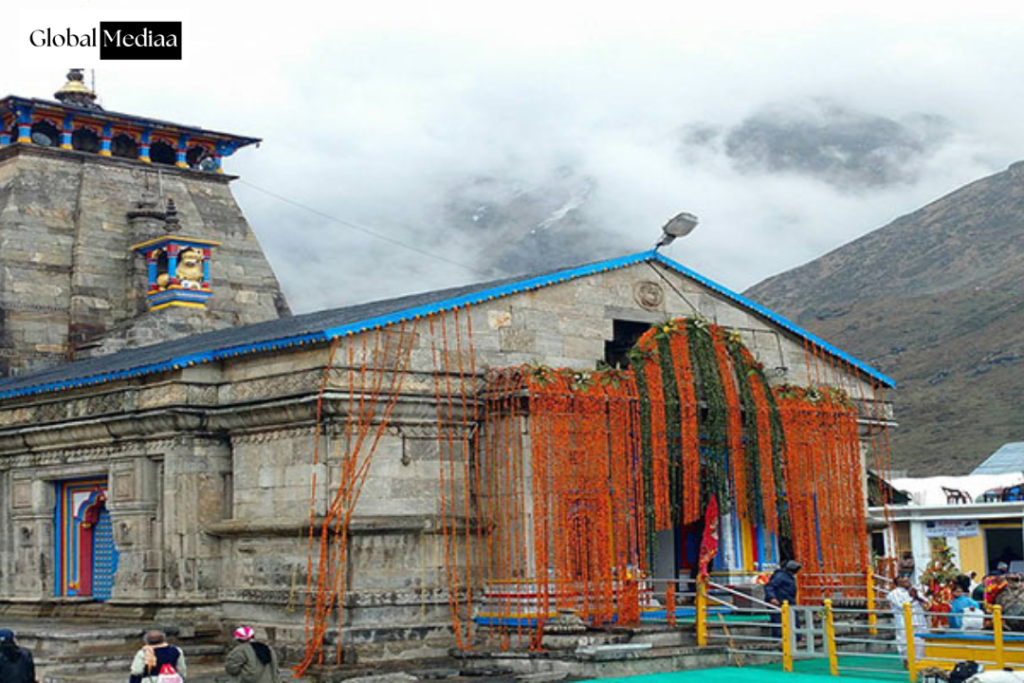
Kedarnath Dham opening ceremony witnesses thousands of pilgrims. Kedarnath Kapaat opening day is one of the auspicious moment for many pilgrimages visiting Kedarnath from all round the country and the world. The gates of Kedarnath Temple open after long hours worship by Rawal and Pujaris of Kedarnath Dham. Pilgrims could take darshan only after first opening Pooja at Kedarnath Temple by priests.
Closing ceremony of Kedarnath Dham is also very grand celebration with Garhwal Bands taking Baba Kedar Doli to Winter Abode of Kedarnath i.e Omkareshwar temple, Ukhimath.
Kedarnath in Winters
During Winters starting from the month of November, there is heavy rainfall in Kedarnath and all the routes are closed. The shrine is also closed for 6 months. The holy statue of Lord Shiva, is shifted from Garhwal (Kedarkhand) to Ukhimath, and is reinstalled at Kedarnath, in the first week of May. It is at this time, that the doors of the temple are thrown open to pilgrims, who gather from all parts of India, for a sacred pilgrimage. The shrine closes on the week of Kartik, on the day of Bhai Dooj (October–November) and reopens after Akshay Tritya (April–May) every year. During its closure the shrine is submerged in snow and worship is performed at Ukhimath.
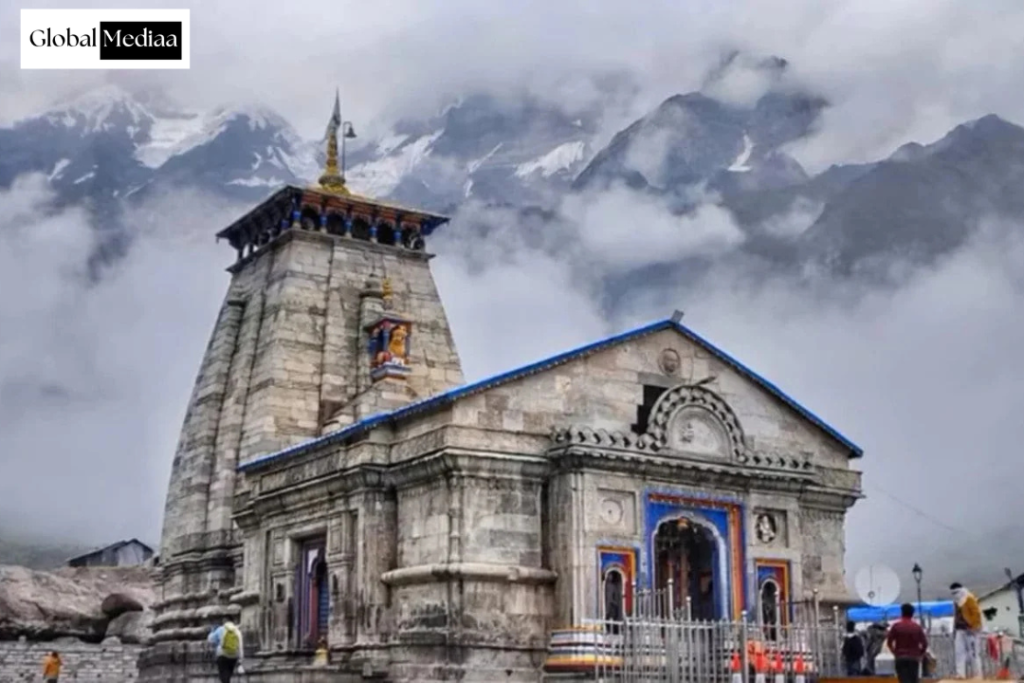
The Kedarnath Temple, one of the most sacred Hindu shrines dedicated to Lord Shiva, follows a seasonal schedule due to the extreme climate conditions in the Himalayas. In 2026, the temple is expected to open its doors to devotees in late April or early May, traditionally on the auspicious occasion of Akshaya Tritiya, when thousands of pilgrims begin their spiritual journey to this revered site. The opening date is ritually decided by priests at the Omkareshwar Temple in Ukhimath, where the deity is worshiped during the winter months. Once opened, the temple remains accessible throughout the summer and monsoon seasons, allowing devotees to undertake the challenging yet spiritually satisfying pilgrimage.
As winter approaches and heavy snowfall starts in the region, the temple closes for the season, usually around October or November, on the day of Bhai Dooj following Diwali. During this time, the idol of Lord Kedarnath is ceremonially moved back to Ukhimath, where prayers continue until the shrine reopens the following year. The opening and closing of the Kedarnath Temple are not just administrative events but deeply spiritual celebrations marked by rituals, chants, and large gatherings of devotees. This annual cycle reflects the harmony between nature and faith, as the temple remains protected during harsh winters and welcomes pilgrims during favorable climate conditions, making it one of the most unique and revered pilgrimage destinations in India.
Once opened, the temple remains available for approximately six months, typically from May to October or early November. During this period, pilgrims from across India and the world undertake the challenging trek of around 16–18 kilometers from Gaurikund to reach the shrine, though helicopter services and ponytail options are also available. The summer months are considered the best time to visit due to relatively stable weather, while the monsoon season (July–August) can bring heavy rainfall and landslides, making travel more difficult. Despite these challenges, the spiritual importance of Kedarnath continues to attract lakhs of devotees every year.
As winter approaches and temperatures drop drastically, the temple prepares for its annual closure,
which usually takes place around October or November on the holy occasion of Bhai Dooj, shortly after Diwali. The closing ceremony is equally grand and emotional, as priests perform special rituals before sealing the shrine for the winter months. The idol of Lord Kedarnath is then ceremonially transported in a procession to Ukhimath, where it is worshiped throughout the winter. During this time, the Kedarnath region becomes completely covered in snow, making it inaccessible and ensuring the conservation of the shrine in extreme climatic conditions.

This unique opening and shutting cycle of Kedarnath Temple beautifully reflects the deep connection between spirituality, tradition, and nature. It highlights how ancient practices have adapted to the Himalayan environment while maintaining their sacred significance. For devotees, visiting Kedarnath during its open months is not just a pilgrimage but a profound spiritual experience, combining faith, adventure, and dedication in one of the most breathtaking landscapes in the world.
Apart from its religious significance, Kedarnath offers a deeply immersive spiritual experience. The early morning and evening aartis create a divine atmosphere, with the sound of bells and chants echoing through the mountains. The nearby Mandakini River further enhances the tranquility of the location, flowing peacefully alongside the temple. Pilgrims frequently describe their visit as life-changing, as the combination of natural beauty and spiritual energy creates a profound sense of peace and connection. However, the journey requires careful planning, as climate conditions can change rapidly, especially during the monsoon season when landslides and heavy rainfall can occur.
As winter approaches, the shrine closes around October or November, usually on Bhai Dooj, after Diwali. The closing ceremony is an emotional and sacred event, marking the end of the pilgrimage season. The idol of Lord Kedarnath is then transported to Ukhimath, where it is worshiped during the winter months. During this period, the Kedarnath region becomes completely covered in snow, making it unavailable but preserving its pristine beauty.
In modern times, Kedarnath has also become a symbol of resilience, especially after the disastrous floods of 2013 that caused massive destruction in the region. Despite the tragedy, the temple remained largely unharmed, strengthening the belief of devotees in its divine protection. Since then, significant improvements have been made in infrastructure, safety measures, and facilities for devotees. Today, Kedarnath continues to attract millions of visitors each year, not only as a place of worship but as a powerful reminder of faith, stamina, and the timeless connection between humans and the divine in the lap of nature.
For more such information, connect with us today: : www.globalmediaa.com