
Iran-Israel war : India’s non-Hormuz crude sourcing has increased to 70% of imports, says Oil Minister
Brent crude oil briefly tops $100 a barrel as Iran attacks on shipping worsen supply concerns
Iran’s relentless attacks on shipping traffic and energy infrastructure in the Persian Gulf pushed oil back above $100 a barrel on Thursday (March 12, 2026), as American and Israeli strikes pounded Iran with no sign of an end to the war in sight.
How the war in Iran threatens to spill over
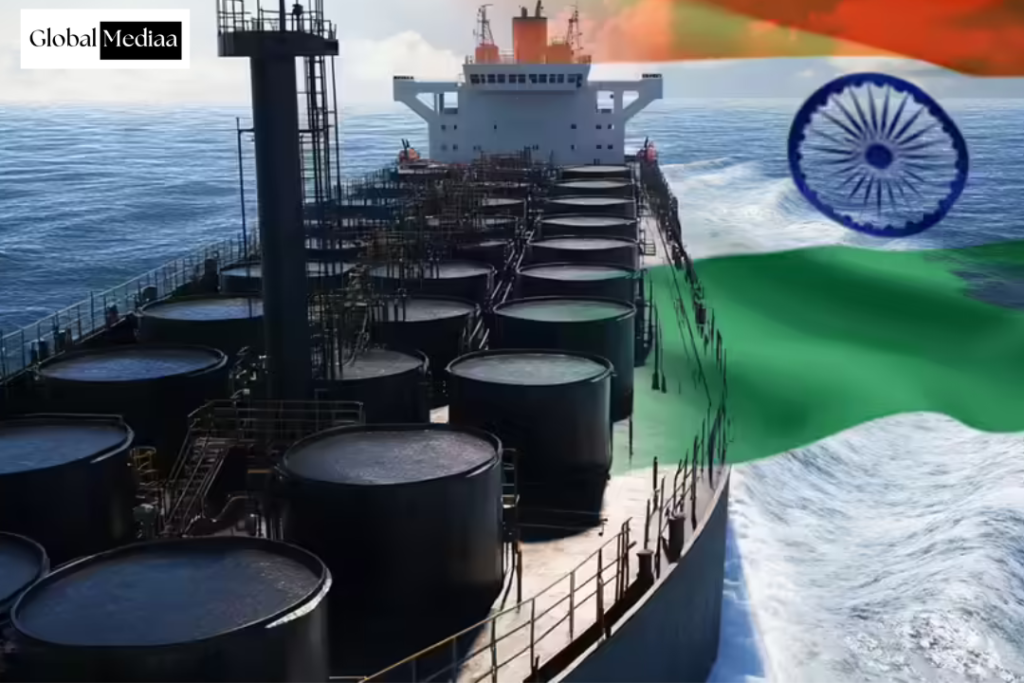
India’s sourcing of non-Hormuz crude has increased to 70% of its total imports and the country’s current crude supply position is secure, Oil Minister Hardeep Singh Puri told Parliament on Thursday (March 12, 2026). India’s petrol and diesel availability is also fully secure and liquid natural gas cargoes are arriving almost daily from alternative routes, he said
Meanwhile, Iran’s President said its attacks would continue until Iran gets security guarantees against another attack, indicating that even a ceasefire or U.S. declaration of victory might not halt the conflict.
A series of powerful explosions hit the Iranian capital on Thursday (March 12, 2026), an AFP reporter said. Israel’s military said it began a new “wide-scale” wave of strikes across Iran. Blasts were also heard over Jerusalem, after the Israeli army reported missiles fired from Iran.
Iran’s new Supreme Leader injured but ‘safe’, officials say
Iran’s new supreme leader Mojtaba Khamenei, who has not spoken or been seen in public since his appointment at the weekend, is injured but “safe”, officials said Wednesday (March 11, 2026).
“I heard news that Mr Mojtaba Khamenei had been injured. I have asked some friends who had connections,” the Iranian President’s son, Yousef Pezeshkian, wrote in a post on his Telegram channel.
“They told me that, thank God, he is safe and sound,” added Mr. Pezeshkian, who is a government adviser.
Traffic through the Strait of Hormuz has fallen dramatically following US–Israeli strikes on Iran. This has raised fears of a global energy disruption not seen since the 1973 oil crisis, also linked to Israel. Brent crude has jumped from around $70–$80 per barrel to over $100 per barrel (a 20–40 per cent rise) since the US and Israel launched an unprovoked war on Iran.
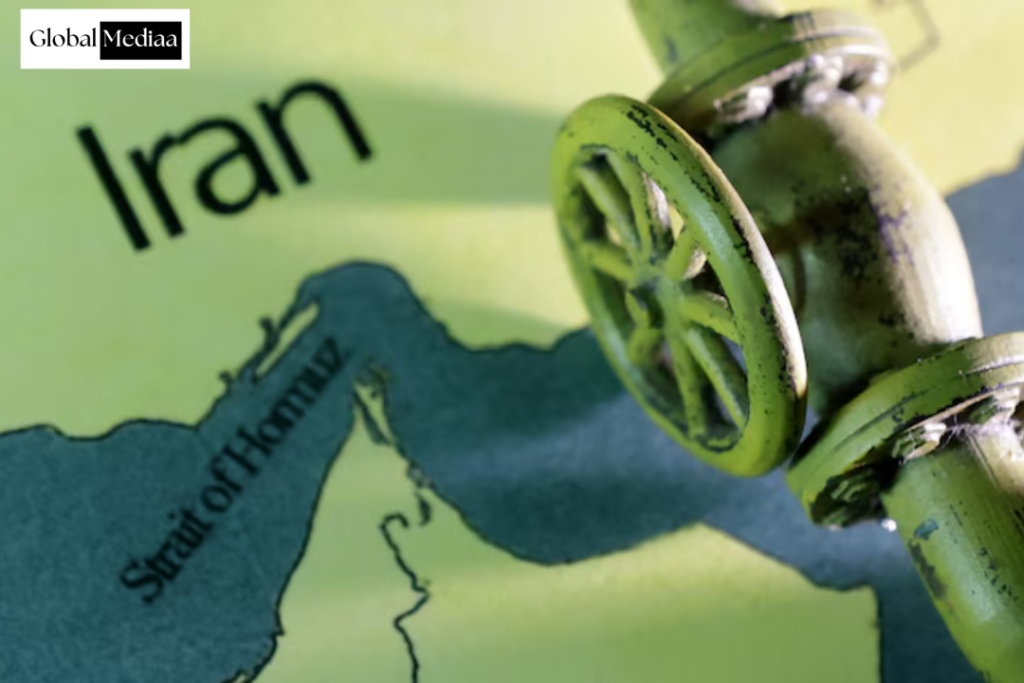
The narrow waterway is a critical energy route, carrying massive volumes of oil. Last year, approximately 15 million barrels per day of crude oil and 5 million barrels per day of petroleum products passed through it. This was roughly 20 million barrels daily, about one-fifth of the world’s oil.
Under normal circumstances, the UK Maritime Trade Operations reports around 138 commercial vessels transiting the strait each day.
The 1973 Oil Crisis
The embargo that triggered the 1973 oil crisis was linked to the Yom Kippur War, a major conflict fought between Israel and a alliance of Arab states led by Egypt and Syria. The war began on October 6, 1973 and lasted about three weeks. The conflict was part of the Arab-Israeli struggle that had been going on since the creation of Israel in 1948 on Palestine.
Egypt and Syria launched a surprise attack on Israeli forces on the Jewish holiday of Yom Kippur. Their aim was to regain territories lost to Israel during the Six‑Day War, particularly Egypt’s Mount Sinai and Syria’s Golan Heights.
Major global powers became involved. The United States heavily supported Israel militarily, while the Soviet Union supported Egypt and Syria.
Using Oil As A Political Weapon
In response to Western support for Israel, Arab oil-producing nations decided to use oil exports as leverage. On October 17, 1973, members of the Organization of Arab Petroleum Exporting Countries (OAPEC) announced an oil embargo against nations considered friendly to Israel.
The main targets include the US, the Netherlands, the United Kingdom, Japan, and Canada. Arab producers also announced cuts to overall oil production. Output was reduced by about 5% per month, tightening supplies in global markets.
The embargo was one of the first times that oil had been used directly as a geopolitical instrument. Because many industrial economies relied heavily on imported oil from the Gulf, this quickly disrupted the global energy supply.
Dependence On Gulf Oil
By the early 1970s, the world economy was heavily dependent on oil. Post‑World War II industrial growth had driven rising demand for transportation, manufacturing, and electricity. Western countries depended increasingly on imports from Arab nations, as US domestic production declined.
Oil-producing countries had begun to gain greater control over their resources through the Organization of the Petroleum Exporting Countries (OPEC), founded in 1960. By the early 1970s, OPEC had enough influence to shape global oil prices and production.
The Oil Price Shock
The embargo and production cuts sent oil prices soaring, rising fourfold from about $3 to almost $12 per barrel within months. With oil-fueled transport, agriculture, manufacturing, and electricity, higher energy costs spread quickly through the global economy.
Rising fuel prices pushed up the cost of producing and transportation goods, affecting industries from airlines and shipping to food and chemicals. In the US, gasoline stations saw long lines, with some running dry. Governments imposed emergency measures, including fuel rationing, operating restrictions for gasoline stations, and lower highway speed limits.
European countries also introduced strict energy-saving policies, such as driving bans on certain days and limitations on electricity use, to curb demand for oil-based energy.
‘Stagflation’
Rising oil prices increased production costs across industries, driving a surge in inflation while slowing economic growth as businesses and consumers struggled with higher expenditures. This combination of high inflation and slow growth became known as ‘stagflation’, a challenge for conventional economic policies. Many industrial economies slipped into recession in the mid-1970s.
The shock also forced governments to reconsider energy policy, leading to heavy investment in measures to reduce dependence on imported oil.
End Of The Embargo
Diplomatic efforts ultimately led to the end of the oil embargo in March 1974, but it had lasting consequences for the global economy and international politics.
For more such information, connect with us today: : www.globalmediaa.com