2 Pilots Killed In Sukhoi Su-30MKI Crash In Assam: All About The Jet
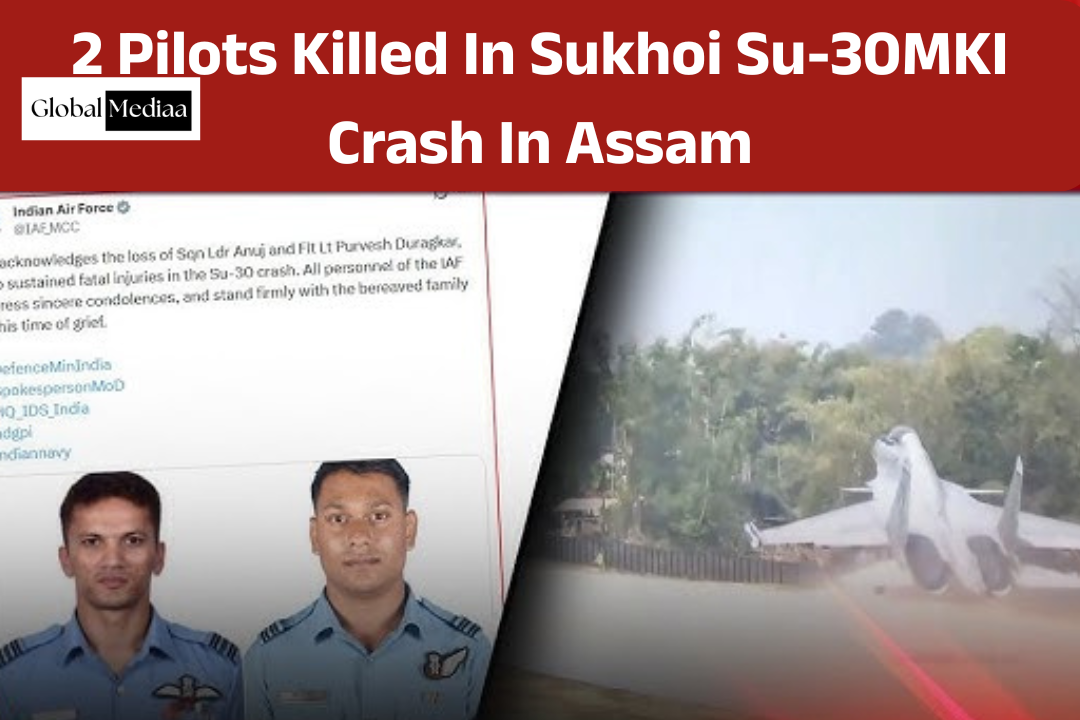
The twin-seat fighter aircraft took off for a routine sortie and went down in a remote area ofAssam‘s Karbi Anglong.
New Delhi:
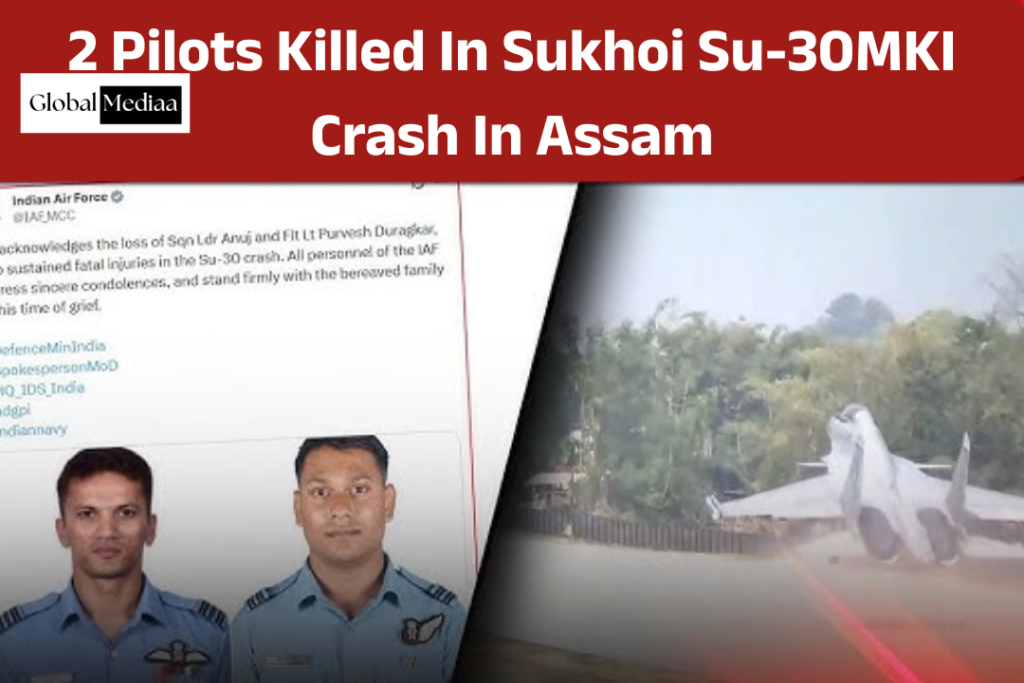
Two pilots of the Indian Air Force (IAF) were killed after a Sukhoi Su-30MKI fighter jet crashed in the Karbi Anglong district of Assam last night, authorities said.
The twin-seat fighter aircraft took off for a routine sortie from the Jorhat Air Force Station and lost communication with ground control at around 7:42 PM. After that, the aircraft could no longer be tracked.
Officials said the fighter jet eventually crashed in a remote hilly area of Karbi Anglong district, located about 60 km from Jorhat.
All about the Sukhoi Su-30MKI fighter jet
Developed in Russia, the Su-30MKI is one of the most advanced fighter jets used by the Indian Air Force. It is a twin-engine, multi-role aircraft designed for air superiority and ground attack missions. NATO has given the aircraft the codename “Flanker”.
The first Su-30MKI built in Russia was inducted into the Indian Air Force in 2002, while the first aircraft assembled in India entered service in November 2004. The aircraft is powered by two AL-31FP turbofan engines, each generating about 12,500 kgf of thrust. Its thrust-to-weight ratio is about 8.7:1, meaning the engines generate much more power compared to the aircraft’s weight, helping it climb quickly and perform sharp manoeuvres.
The aircraft can reach a maximum speed of about 1,350 km/h at sea level and over Mach 2 at altitudes above 11,000 meters, which is more than double the speed of sound. It has a service ceiling of around 17,500 meters and can ascend at a rate of 230 meters per second. The Indian Air Force operates around 260 Su-30MKI jets, making it the largest fleet of this aircraft in the world.
The aircraft is also known for its long operational range. With a normal fuel load, it can travel around 3,000 km, which can increase to around 5,200 km with in-flight refuelling. With a single mid-air refueling, the Sukhoi Su-30MKI can cover up to 8,000 km and remain airborne for nearly 10 hours.
It is heavily armed and designed to carry different types of weapons for combat missions.
The aircraft is equipped with a 30 mm GSh-30-1 cannon, which carries about 150 rounds of ammunition. The fighter plane also has 12 hardpoints, allowing the aircraft to carry external weapons and stores weighing up to about 8 tonnes.
The Sukhoi Su-30MKI can launch several types of air-to-surface missiles used to strike land or sea targets. These included the Kh-29, Kh-31, Kh-59M, and India’s Nirbhay cruise missile. The jets also provided air defense cover during Operation Sindoor, launched by India in 2025.
Ravindra Duragkar could only recall memories of his son, Flight Lieutenant Purvesh Duragkar, the most vivid being their phone chat on Wednesday (March 6, 20226) and his visit home ten days ago for a family get-together.
As IAF officials tried to console the retired railway employee at his home in Nagpur’s New Subedar Layout, the grief-stricken father occasionally regained his composure to say that Purvesh took immense pride in flying a fighter plane.
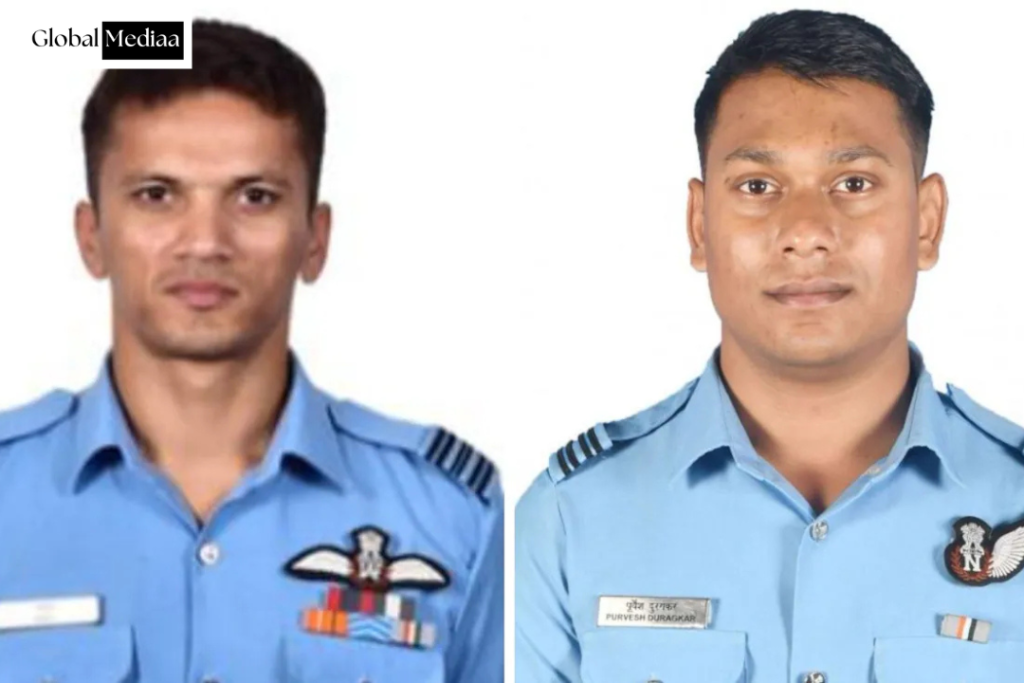
Squadron Leader Anuj and Flight Lieutenant Purvesh were killed when a Su-30 MKI fighter plane crashed in Assam’s Karbi Anglong district, the IAF said on Friday (March 6, 2026). The jet was on a training sortie and disappeared from radar shortly after taking off from Jorhat airbase on Thursday (March 5).
We had spoken on Wednesday. His Group Captain got in touch with us and informed us about the accident,” said Ravindra, his eyes welling up.
His 28-year-old son had taken part in Operation Sindoor, which India launched to target terror bases in Pakistan following last year’s Pahalgam attack, he said, adding that Purvesh was deeply dedicated to his work.
Ravindra said Purvesh was originally posted in Tezpur, Assam, but was operating from Jorhat as work was being carried out on the Tezpur runway.
A neighbor told PTI that Purvesh was survived by his parents and a sister settled in the US. Purvesh and his sister, an IITian, had come home ten days ago for a family get-together, the neighbor said. Ravindra also recalled the family function.
Purvesh, who did his schooling in Nagpur, was single. Ravindra said his son’s body was likely to reach Nagpur in the evening.
“My son was extremely proud to be part of the Indian Air Force. He would sometimes share his experience of flying fighter planes and the speeds that IAF jets achieve. He held his colleagues in high respect,” he said.
He shared that he received the news of his son’s demise from the unit’s Group Captain.
“Due to runway-related work in Tezpur, he was posted in Jorhat. He used to share about his work. He always tried not to make mistakes. His Group Captain has officially communicated to us that he (his son) is no more,” he said.
As IAF officials tried to console the retired railway employee at his home in Nagpur’s New Subedar Layout, the grief-stricken father occasionally regained his composure to say that Purvesh took immense pride in flying a fighter plane.
The Indian Air Force on Friday confirmed that two pilots were killed after a Sukhoi Su-30MKI fighter plane crashed in Assam’s Karbi Anglong district during a routine training mission after losing radar contact shortly after taking off from Jorhat last evening.
In a statement, the IAF identified the pilots as Squadron Leader Anuj and Flight Lieutenant Purvesh Duragkar.
Earlier today, the IAF had confirmed that the fighter jet went down in a hilly area of Karbi Anglong, around 60 km from the Jorhat airbase.
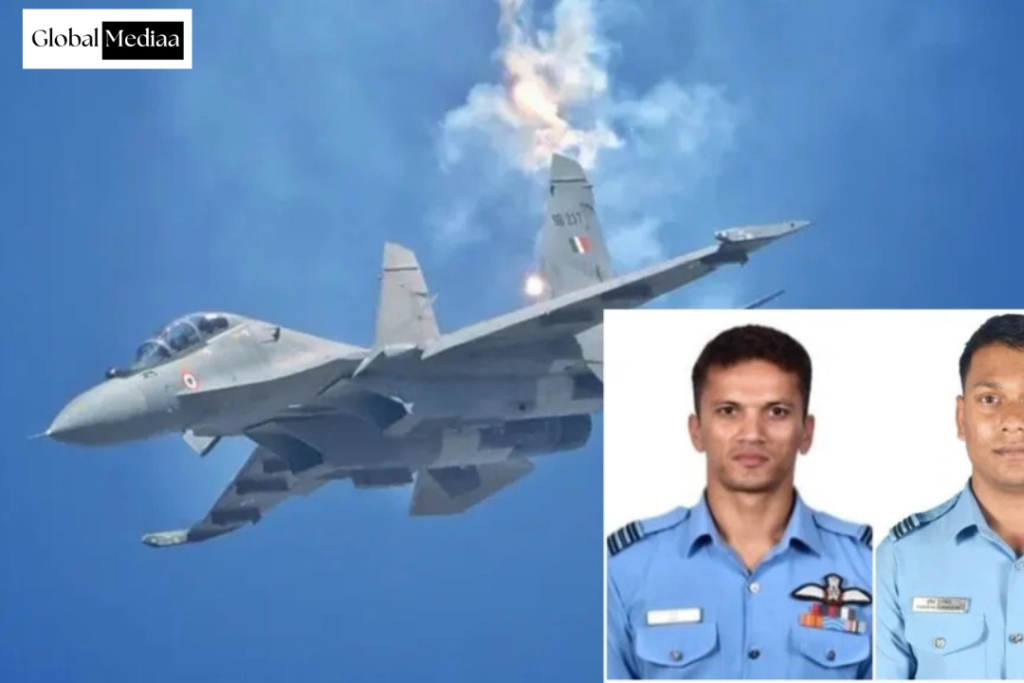
“The Su-30MKI which was on a training mission crashed in the area of Karbi Anglong, approx 60 km from Jorhat. Search operations are underway,” the IAF said in a statement.
After the Sukhoi took off from Jorhar on Thursday, the aircraft’s last communication with ground control was at 7.42 pm.
For more such information, connect with us today: : www.globalmediaa.com