India and Canada agree series of deals as Carney and Modi reset ties in Delhi
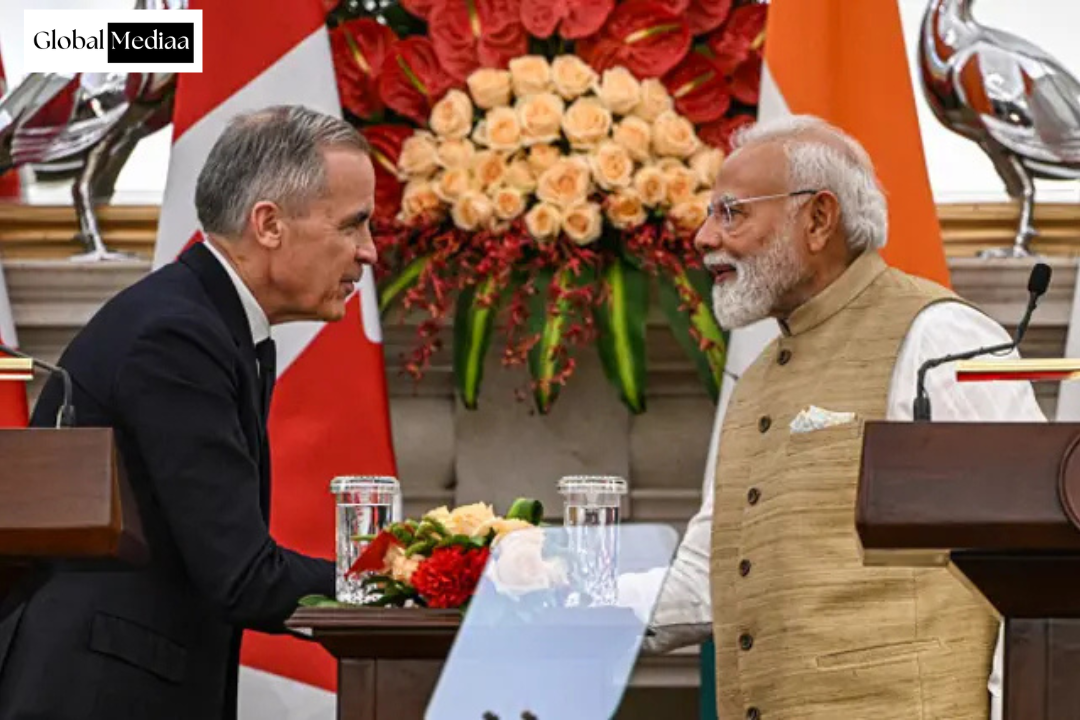
After almost three years of diplomatic tensions, India and Canada have taken a major step towards restoring their relationship as leaders from both countries unveiled a wide-ranging set of measures aimed at deepening economic cooperation.
Among the agreements is a long-term uranium supply deal, which experts say will bolster India’s energy security as it comes under pressure from the US. Plans for an expanded economic partnership could also boost trade and investment between the two nations. Collaboration in areas such as critical minerals, clean energy, space and higher education promises new opportunities for innovation and joint development.
Analysts describe the announcements as a potential “reset” in India-Canada relations, signaling a willingness on both sides to move past recent strains and focus on shared strategic and economic priorities.
Carney’s next stops: Australia and Japan
After concluding his engagements in India, Carney is scheduled to continue his Indo-Pacific tour with stops in Australia and Japan, according to the official agenda released by his government.
His visit to India, which included a meeting with PM Modi in Delhi on Monday, was the first leg of a wider diplomatic push aimed at diversifying Canada’s trade and strategic partnerships beyond North America.
From India, Carney is scheduled to fly to Sydney where he will arrive on Tuesday. He will then travel to Canberra on 5 March, where he is due to hold bilateral talks with Prime Minister Anthony Albanese, with discussions expected to focus on trade expansion, defense collaboration and emerging technology partnerships.
“He will deliver an address to both houses of Australia’s Parliament and invited dignitaries – marking the first such address by a Canadian prime minister in nearly 20 years,” read a statement, external by the Canadian government.
Carney’s final stop on this tour is Tokyo where he is due to arrive on 6 March. He is expected to meet Prime Minister Sanae Takaichi to advance collaboration in areas, including clean energy, critical minerals, advanced manufacturing and food security.
As we’ve been reporting, in a significant reset of relations, India and Canada today unveiled a sweeping package of measures aimed at restoring and deepening economic and strategic collaboration.
PM Modi and PM Carney agreed to fast-track negotiations towards a Comprehensive Economic Partnership Agreement (CEPA), with the objective to conclude talks by the end of the year. They also set an ambitious target of boosting bilateral trade to around $50bn by 2030.
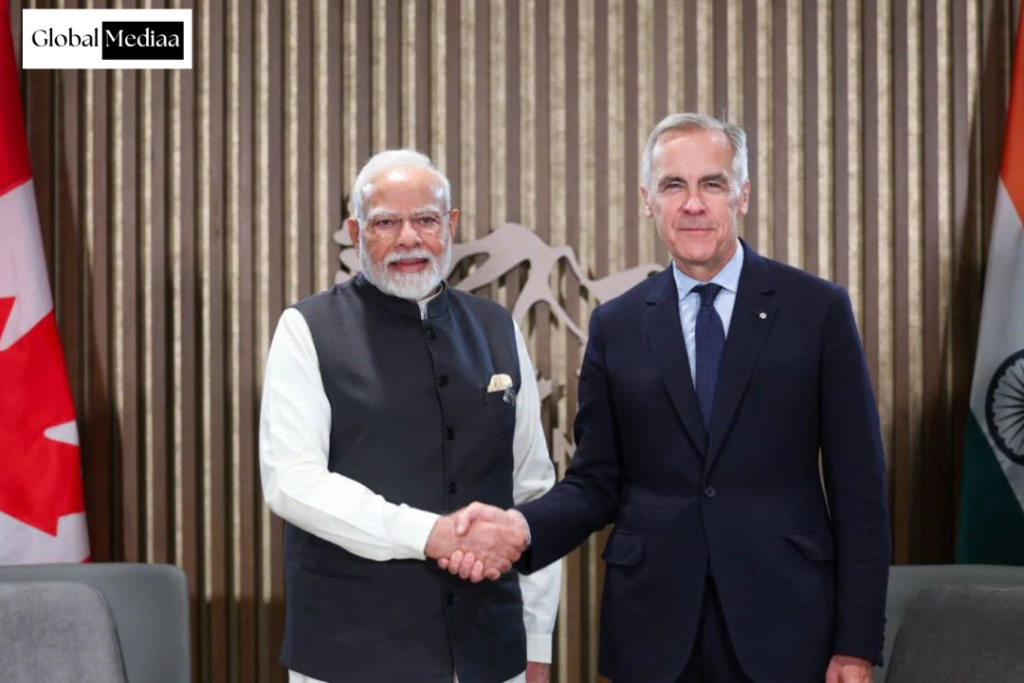
In a major announcement, Canada company Cameco has signed a long-term deal to supply uranium to India. The leaders also outlined new frameworks for cooperation on critical minerals, clean energy and AI.
With a large number of Indian students studying in Canada, education featured prominently in the talks. Both governments announced plans to expand educational partnerships, ease exchanges for students and researchers and strengthen mutual recognition of qualifications.
The two countries will also relaunch a structured defense dialogue and step up maritime and broader security collaboration, underlining a strategic convergence which, analysts point out, extends well beyond trade.
The leaders described the talks as the beginning of a “new phase” in ties following a period of diplomatic tension, emphasizing shared interests in energy security, resilient supply chains and stability in an increasingly uncertain global order.
India and Canada have announced a host of agreements, including a 10-year nuclear energy deal, after their prime ministers met in Delhi to reset ties that tumbled due to diplomatic tensions.
Narendra Modi and Mark Carney also struck agreements in areas such as technology, critical minerals, space, defense and education.
Carney said they agreed to conclude a free trade deal, years in the making, by the end of 2026. Both countries want to reduce exposure to punishing US trade tariffs.
Under Carney, the two governments are attempting to repair ties that were strained when his predecessor accused Delhi of a link to the 2023 assassination of Sikh separatist Hardeep Singh Nijjar on Canadian soil.
India vociferously rejected the allegation by Justin Trudeau.
Trade and diplomatic relations almost came to a standstill as both sides expelled each others’ diplomats and canceled visa services. Canada hosts a huge expatriate Indian community.
But since Carney took office last year, the relationship has been carefully rebuilt – helped by the fact that his government has said it believes India is not currently linked to violent crimes or threats on Canadian soil.
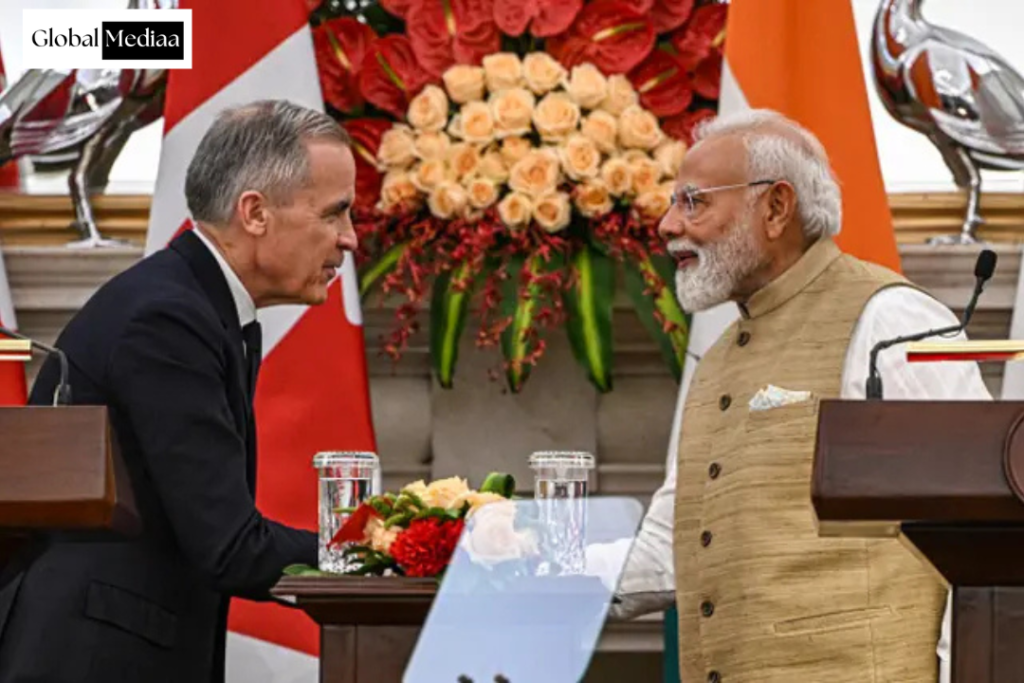
The case of four men charged over Nijjar’s killing is still before the courts.
At talks in Delhi, both Carney and Modi emphasized India and Canada’s long-standing relationship, mutual goals and close people-to-people ties.
“In civilian nuclear energy, we have reached a landmark deal for long-term uranium supply. We will also work together on small modular reactors and advanced reactors,” Modi told reporters after their meeting at Hyderabad House in Delhi.
He described the two countries as “natural partners in technology and innovation” and said they would enhance co-operation in AI, supercomputing and semiconductors, as well as jointly host a renewable energy summit.
Carney said Canada was well placed to contribute to energy-hungry India’s nuclear fuel needs and added that the two countries were launching a strategic energy partnership.
He hailed the progress made in rebuilding relations.
“There has been more engagement between the Canadian and Indian governments in the last year than there has been in more than two decades combined,” he said.
On trade, Modi said: “Our target is to reach $50bn in bilateral trade. This is why we have decided to finalize a comprehensive economic partnership soon.”
Carney said he wanted to reach a deal on the “ambitious agreement” by the end of the year. It’s been discussed on-and-off for the past 15 years so concluding it would be a significant accomplishment.
Analysts say that Carney’s decision to put diplomatic tensions behind him and extend an olive branch to India is a practical one, based on present day geopolitical shifts.
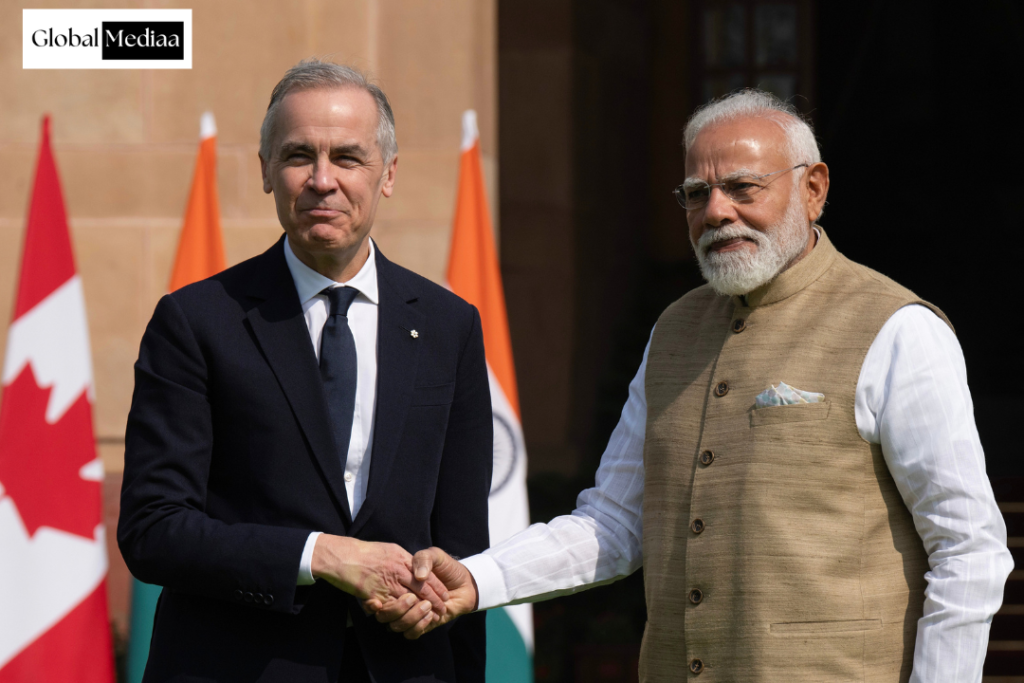
The same holds true for India, which is looking to forge new trade partnerships to diversify its imports and also reduce its dependency on Russia for its energy needs.
For more such information, connect with us today: : www.globalmediaa.com