International Women’s Day 2026: Why is Women’s Day celebrated? The significance of this day
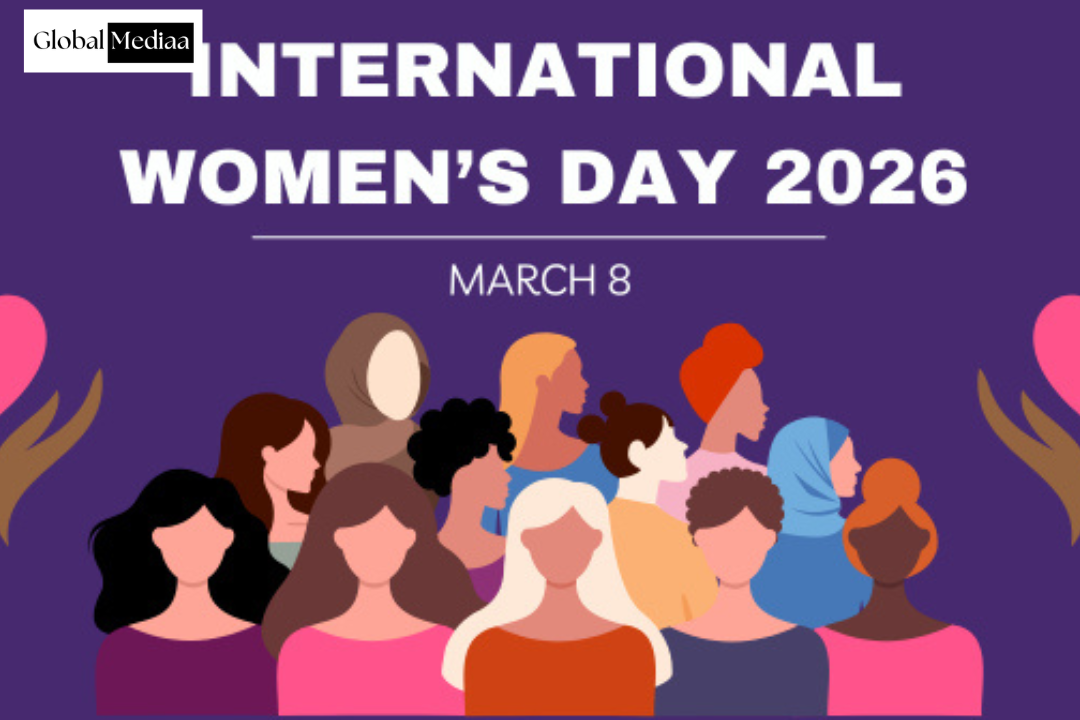
International Women’s Day 2026:
Every year Women’s Day is celebrated under a special theme. This year, the theme for International Women’s Day 2026 is “Give to gain.” This means that when you give something to someone, you also benefit in return. The aim of this theme is that through this people should try to promote gender equality by donating generously.
Why is Women’s Day celebrated: Every year there is a day dedicated to women, which is called International Women’s Day. Women’s Day is celebrated every year on March 8th. There is a specific purpose behind celebrating this special day. Women’s Day is celebrated to raise awareness about women’s rights, to honor the work they do shoulder to shoulder with men in all fields, including social, cultural, economic, and political, and to promote gender equality. It is a day to appreciate how women manage their homes, offices, and other tasks, and to encourage them through the many struggles they face every day.
What is the theme of Women’s Day?
Every year, Women’s Day is celebrated under a specific theme. This year the theme of International Women’s Day 2026 has been kept as ‘Give to gain’. This means that when you give something to someone, you also benefit in return. The aim of this theme is that through this people should try to promote gender equality by donating generously.
What is the purpose of celebrating Women’s Day?
The main objective of celebrating Women’s Day is to challenge prejudices, amplify women’s voices and bring about lasting, systemic change.
When did Women’s Day begin?
The celebration of Internationa l Women’s Day began in the early 20th century. This was due to the labour movements in Europe and North America. At that time, working women raised their voice against equal pay and voting rights. Clara Zetkin proposed celebrating Women’s Day in 1910. Subsequently, in 1917, when Russian women went on strike demanding food, clothing, and peace, Women’s Day began to be celebrated on March 8th. The United Nations officially established March 8th as International Women’s Day in 1975.
Special on Women’s Day 2026: Hidden unemployment is a big problem in Indian society. This does not mean that people are not working at all, but rather that they are working, but that work is neither utilizing their full potential nor are they getting the right economic benefit from it. This problem is particularly pronounced among women, queer, and trans communities. It often happens that people appear to be working, but even if they do not work, it will not make much difference to the total production. This is hidden unemployment. This is not just a matter of statistics, but a problem related to the thinking of our society where patriarchy, gender discrimination and social exclusion are deeply rooted.
Women’s work is visible, but not counted.
Unless we respect labour and truly understand the work around us, hidden unemployment will continue to persist in our society. A research report by H. Vagishan and Gedam Kamalakar (2025) shows that women’s labour force participation in India has fallen by about 10 percentage points over the last two decades to below 29 percent. The primary reason for this is that 72 percent of women are engaged in unpaid work.
Most women in India work in the home, farm, and family. They work from morning till night taking care of animals, cooking food, taking care of children and elders, working in the fields but in return they neither get paid nor are they considered “working”. Our common perception is that work is work if it pays. But isn’t running a home, taking care of children, or contributing to the family’s livelihood work? This very thinking renders women’s labor invisible.
The situation is even more clearly visible in the villages. Men migrate to cities in search of work, leaving women in charge of the farms. Sowing seeds, harvesting, animal husbandry—everything is done by women, but the land is owned by men and they are called “farmers.” If women leave farm work, farming will come to a standstill, yet their names do not appear in government statistics. A typical rural woman works 16–18 hours a day, yet she’s simply listed as a “housewife” in records. This is hidden unemployment. How can invisible labor be valued? Women do three times more care work than men—which is not even counted in the economy. If this work is recognized and women are given equal employment, the country’s economy could benefit significantly.
In India, the discussion of labor is incomplete without caste. A large number of Dalit and Bahujan families do not own land. They have to work as labourers in other people’s fields. They are overworked, yet they are not fired—this is hidden unemployment. On the other hand, in the upper castes, women are confined to the home in the name of “honour”. They manage the household, but this is not considered work. In this way, caste and patriarchy together push women into hidden unemployment.
What is the solution?
Hidden unemployment is not just an economic problem, it is a question of respect and dignity of being a human being. When someone works day and night and is still not considered working, it is a grave injustice. To change this, the upcoming Women’s Day 2026 may include important initiatives for these communities such as
Women’s domestic and care work should also be considered “work.”
Anti-discrimination laws for the queer and trans community should be strictly enforced.
Skill development and employment policies should not discriminate based on gender and identity.
Until we respect labor and truly understand the work around us, this hidden unemployment will continue to persist in our society.
For more such information, connect with us today: : www.globalmediaa.com