Malaysian PM Ibrahim, like several of us in India, is a ‘big fan’ of MGR: PM Modi
Maruthur Gopalan Ramachandran, popularly known as MGR, was a popular Indian actor, director and producer who founded Tamil Nadu’s AIADMK party and went on to become Tamil Nadu’s Chief Minister PM Modi
Prime Minister Narendra Modi
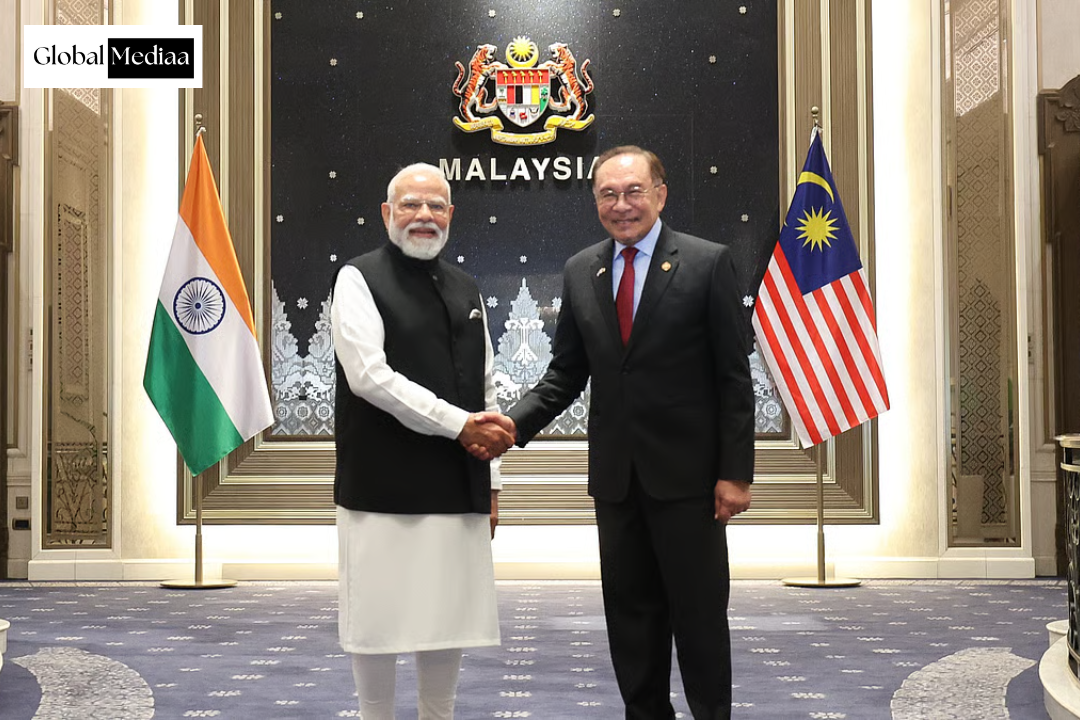
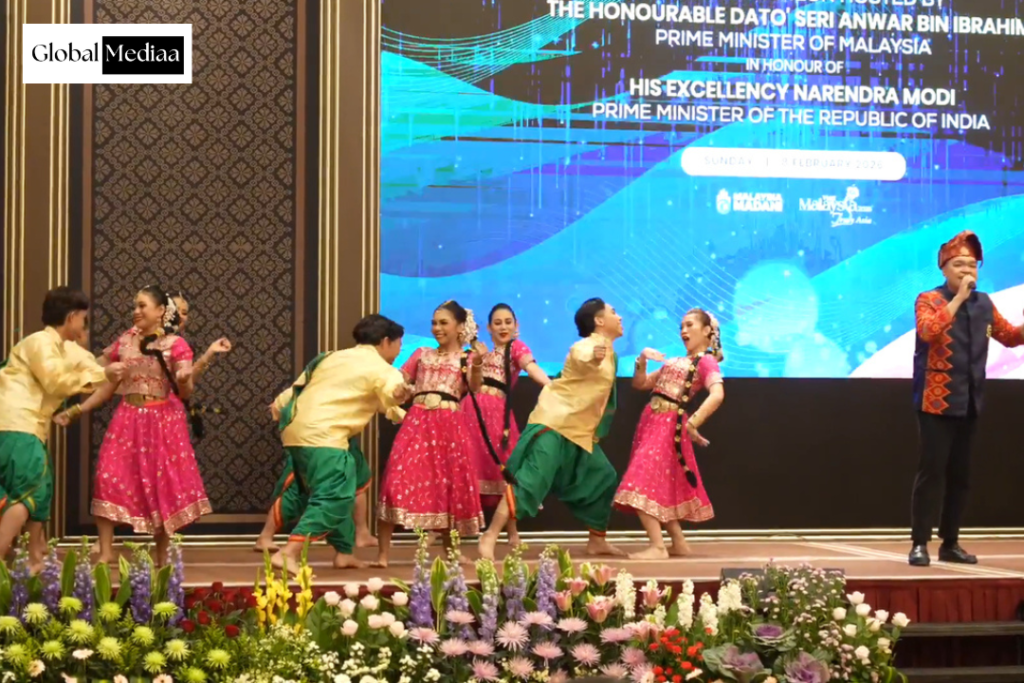
Prime Minister Narendra Modi on Sunday (February 8, 2026) said that his Malaysian counterpart Anwar Ibrahim is a “big fan” of MGR, just like “several of us in India,” as a song from the Tamil actor’s movie ‘Naalai Namathe’ was presented during a lunch hosted for the Indian leader.
Maruthur Gopalan Ramachandran, popularly known as MGR, was a popular Indian actor, director and producer who founded Tamil Nadu’s All India Anna Dravida Munnetra Kazhagam (AIADMK) party and went on to become Tamil Nadu’s Chief Minister. He died in 1987.
‘Naalai Namadhe’ is one of the actor’s several blockbusters, released in 1975.
“At the lunch hosted by my friend, PM Anwar Ibrahim, one of the songs sung was Naalai Namathe, from a movie starring the great MGR!,” PM Modi posted on
Mr. Modi added that “PM Anwar Ibrahim, like several of us in India, is a big fan of MGR!” Malaysia has the second-largest Indian-origin community, mostly Tamils, in the world.
Earlier, PM Modi, who is on a two-day visit to Malaysia, while addressing a community program in Kuala Lumpur, said that “members of the Tamil diaspora in Malaysia are serving society in various fields and noted that the Tamil diaspora has been present in Malaysia for many centuries.”
He said that, inspired by this history, India had established the Thiruvaluvar Chair at the University of Malaya and would now set up a Thiruvalluvar center to further strengthen shared heritage.
The visit, Modi’s first official trip to Malaysia since the partnership was elevated to Comprehensive Strategic Partnership in August 2024, marked a decisive shift from traditional collaboration to strategic and technology-driven engagement.
India and Malaysia on Sunday unveiled an expansive roadmap to deepen their Comprehensive Strategic Partnership, placing strong emphasis on semiconductors, digital payments, defense collaboration and trade facilitation, following wide-ranging talks between Prime Minister Narendra Modi and his Malaysian counterpart Anwar Ibrahim in Kuala Lumpur.
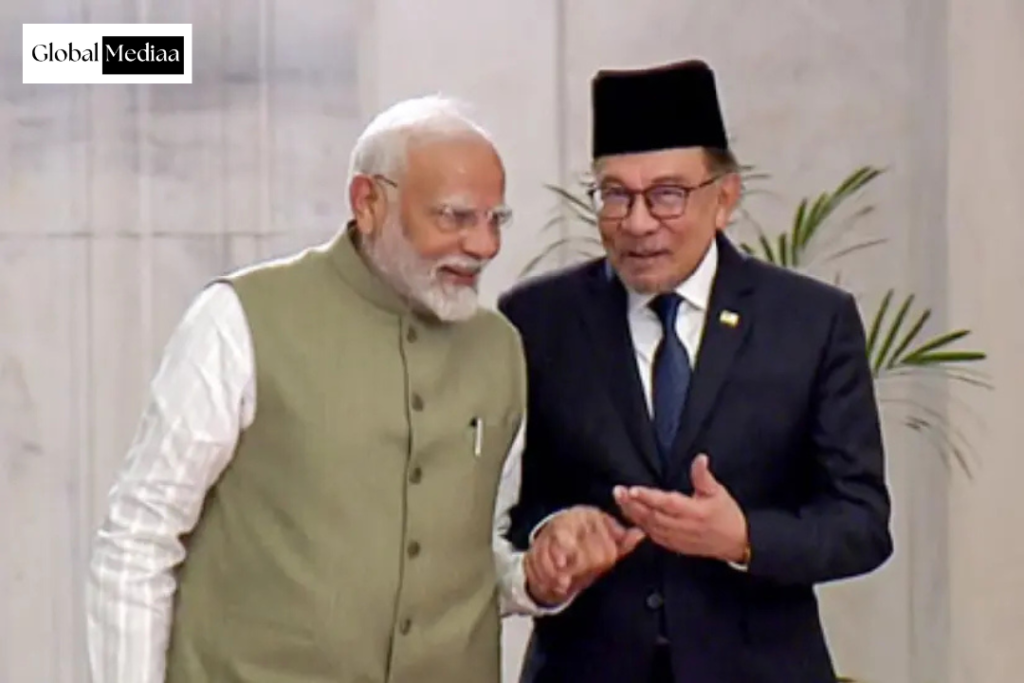
The joint statement issued after one-on-one and delegation-level meetings underscored a clear intent by both sides to future-proof bilateral ties amid global economic uncertainty, supply chain disruptions and evolving security challenges in the Indo-Pacific. The visit, Modi’s first official trip to Malaysia since the partnership was elevated to Comprehensive Strategic Partnership (CSP) in August 2024, marked a decisive shift from traditional cooperation to strategic and technology-driven engagement.
A key outcome was the decision to deepen cooperation in the semiconductor sector, which both leaders described as “strategic” for global technology resilience. India and Malaysia agreed to strengthen the semiconductor value chain through joint initiatives in innovation, workforce development and supply chain stability. Ongoing collaboration between IIT Madras Global and Malaysia’s Advanced Semiconductor Academy, as well as between industry bodies from both countries, was highlighted as a foundation for building a competitive ecosystem.
A key outcome was the decision to deepen cooperation in the semiconductor sector, which both leaders described as “strategic” for global technology resilience. India and Malaysia agreed to strengthen the semiconductor value chain through joint initiatives in innovation, workforce development and supply chain stability. Ongoing cooperation between IIT Madras Global and Malaysia’s Advanced Semiconductor Academy, as well as between industry bodies from both countries, was highlighted as a foundation for building a competitive ecosystem.
Trade and investment featured prominently in the discussions, with both leaders acknowledging strong growth in bilateral commerce and calling for greater balance and diversity. Malaysia recognized India as a vital global economic partner, while both sides agreed to enhance trade convenience in emerging areas such as semiconductors, digital economy and advanced manufacturing. The leaders welcomed the ongoing review of the ASEAN-India Trade in Goods Agreement (AITIGA) to make it more contemporary and business friendly, and urged optimal use of the Malaysia–India Comprehensive Economic Collaboration Agreement (MICECA).
A notable financial sector development was the push to expand local currency settlement in bilateral trade.
The two Prime Ministers welcomed collaboration between the Reserve Bank of India and Bank Negara Malaysia to promote invoicing and settlement in Indian Rupee and Malaysian Ringgit, a move seen as reducing transaction costs and exposure to global currency volatility.
Digital collaboration received a major boost with the formalization of the Malaysia-India Digital Council, envisaged as a platform to drive collaboration in fintech, artificial intelligence, cybersecurity, digital public infrastructure and emerging technologies. Complementing this, both leaders welcomed the partnership between NPCI International and PayNet Malaysia to establish bilateral payment linkages, which will enable seamlessly, low-cost digital payments for tourists, students and small businesses.
On defense and security, the two leaders expressed satisfaction with the increasing depth of military-to-military engagement. They welcomed the results of the Malaysia–India Defense Cooperation Committee, including the establishment of a Strategic Affairs Working Group and a Su-30 forum. The successful conduct of the fifth edition of the joint military exercise ‘Harimau Shakti’ in Rajasthan last December was cited as evidence of operational synergy.
Both countries also reiterated zero tolerance for terrorism, strongly denouncing terrorism in all forms, including cross-border terrorism. They agreed to strengthen collaboration in counter-radicalisation, combating terror financing, and preventing misuse of emerging technologies by terrorist groups, while also addressing linkages between terrorism and transnational organized crime.
Energy collaboration emerged as another strategic pillar, with Malaysia’s PETRONAS and Gentari expanding their footprint in India’s renewable energy and green hydrogen sectors. The leaders emphasized the potential for large scale solar projects and clean energy collaboration aligned with net-zero ambitions. Malaysia also acknowledged India’s leadership through the International Solar Alliance.
Food security and palm oil collaboration were addressed,
with Malaysia reaffirming its commitment as a reliable supplier of sustainable palm oil. Both parties agreed to collaborate across the palm oil value chain, including downstream, value-added products, while ensuring timely resolution of market access issues.
People-to-people ties, education and mobility featured strongly, reflecting the deep social ties between the two countries. Modi invited Malaysian students to participate in India’s ‘Study in India’ programme, while both sides encouraged greater collaboration in technical and vocational education. The operationalisation of the Thiruvalluvar Chair and Center at Universiti Malaya, along with scholarships for Malaysian nationals, was welcomed as a cultural milestone.
For more such information, connect with us today: : www.globalmediaa.com