India to slash tariffs on cars to 40% in trade deal with EU, sources say
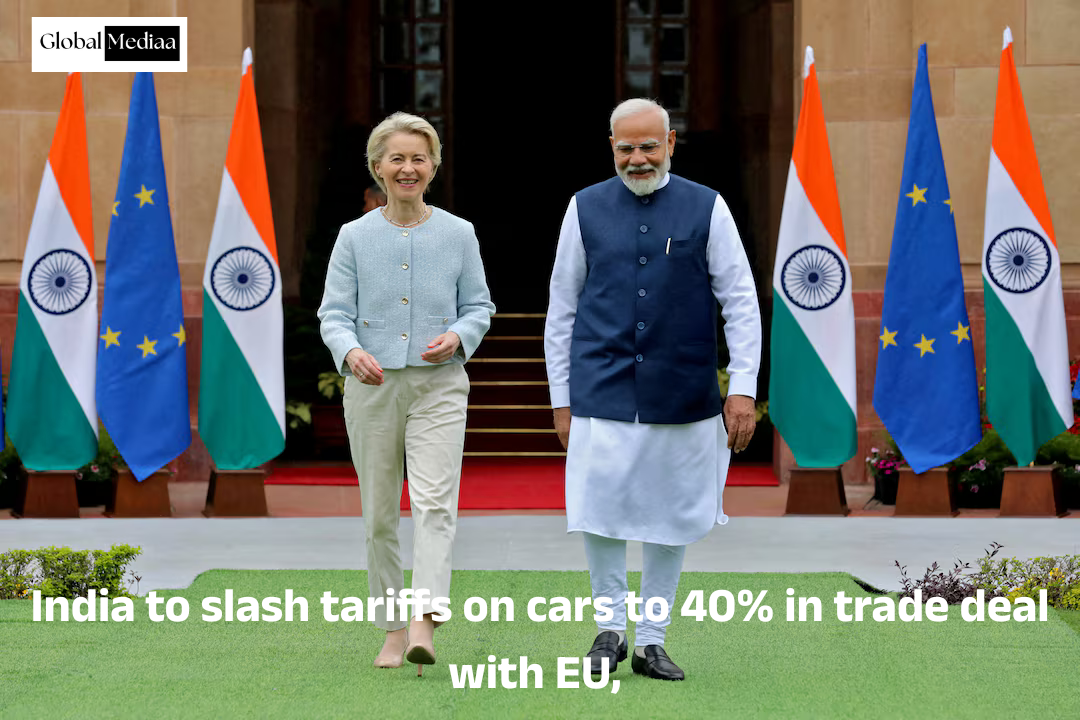
India plans to slash tariffs on cars imported from the European Union to 40% from as high as 110%, sources said, in the biggest opening yet of the country’s vast market as the two sides close in on a free trade accord that could come as early as Tuesday.
Prime Minister Narendra Modi’s government has agreed to immediately reduce the tax on a limited number of cars from the 27-nation bloc with an import price of more than 15,000 euros ($17,739), two sources briefed at the talks told Reuters.
This will be further lowered to 10% over time, they added, facilitating access to the Indian market for European automakers such as Volkswagen, Mercedes-Benz and BMW.
The sources declined to be identified as the talks are confidential and could be subjected to last-minute changes. India’s commerce ministry and the European Commission declined to comment.
Pact already dubbed ‘Mother of All Deals’
India and the EU are expected to announce on Tuesday the conclusion of protracted negotiations for the free trade pact, after which the two sides will finalize the details and ratify what is being called “the mother of all deals.”
The pact could expand bilateral trade and lift Indian exports of goods such as textiles and jewellery, which have been hit by 50% U.S. imports of goods.tariffs since late August.
India is the world’s third-largest car market by sales, after the U.S. and China, but its domestic auto industry has been among the most protected. New Delhi currently levies tariffs of 70% and 110% on imported cars, a level frequently criticized by executives, including Tesla.
Chief Elon Musk.
New Delhi has proposed slashing import duties to 40% immediately for about 200,000 combustion-engine cars a year, one of the sources said, its most offensive move yet to open up the sector. This quota could be subject to last-minute changes, the source added.
Battery electric vehicles will be excluded from import duty reductions for the first five years to protect investments by national players like Mahindra & Mahindra and Tata Motors in the nascent sector, the two sources said. After five years, EVs will follow similar duty cuts.
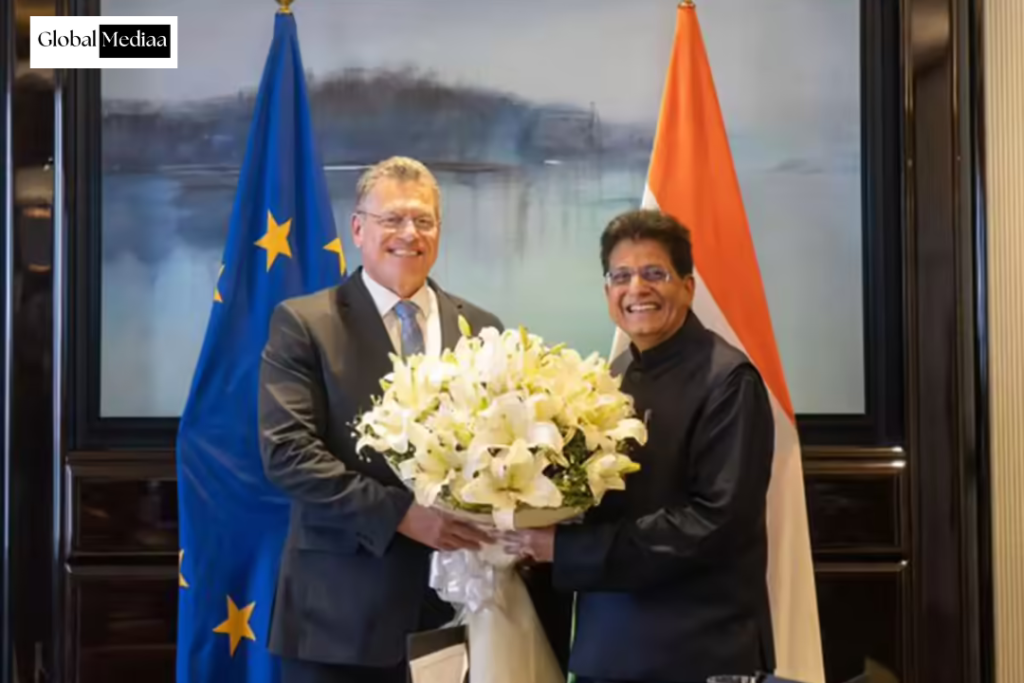
Market currently dominated by Suzuki, local makers
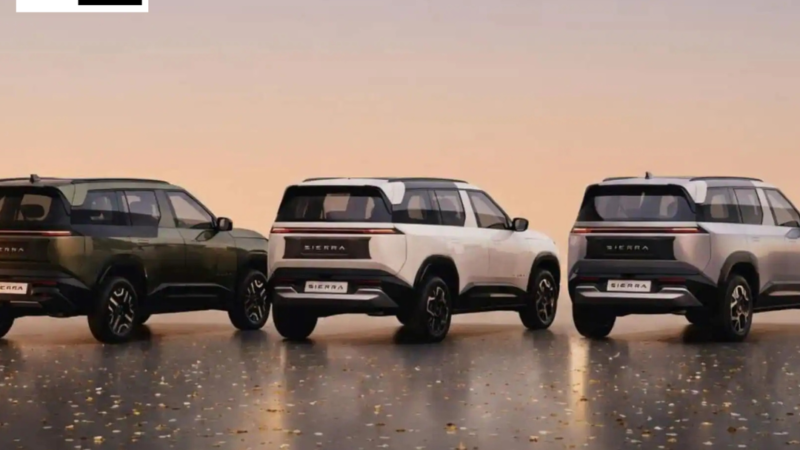
Lower import taxes will be a boost for European automakers such as Volkswagen, Renault and Stellantis, as well as luxury players Mercedes-Benz and BMW, who locally manufacture cars in India but have struggled to grow beyond a point in part due to high tariffs.
Lower taxes will allow carmakers to sell imported vehicles at a lower price and test the market with a wider portfolio before committing to manufacturing more cars locally, said one of the two sources.
European carmakers currently hold a less than 4% share of India’s 4.4-million units a year car market, which is dominated by Japan’s Suzuki Motor as well as homegrown brands Mahindra and Tata that together hold two-thirds.
With the Indian market expected to grow to 6 million units a year by 2030, some companies are already lined up new investment.
Renault is making a comeback in India with a new strategy as it seeks growth outside Europe, where Chinese carmakers are making strong inroads, and Volkswagen is finalizing its next leg of investment in India via its Skoda brand.
In a gracious departure from her usual tailored pantsuits, Ursula von der Leyen’s maroon-and-gold brocade bandhgala and off-white pants not only showcased her elegance but also reflected a deep appreciation for Indian culture.
Ursula von der Leyen, President of the European Commission and this year’s chief guest at India’s 77th Republic Day, on Monday captivated onlookers at the parade in a maroon-and-gold brocade bandhgala jacket paired with an off-white pants, an exquisite fusion of refined elegance and traditional Indian style that perfectly complemented with the grandeur of the occasion.
Known for her signature tailored pantsuits at international events, the EU chief’s choice of traditional Indian attire for the parade marked a departure from her usual style, reflecting not only an appreciation for Indian culture but also a thoughtful nod to the importance of the celebration.
As she watched the parade of India’s armed forces, cultural tableaus and spectacular flypasts, her ensemble seemed to echo the pride, tradition and vibrant spirit of the nation on its 77th Republic Day.
Moments before arriving at Kartavya Path with President Droupadi Murmu and President of the European Council António Lus Santos da Costa in a traditional horse-drawn buggy, EU chief Ursula von der Leyen took to
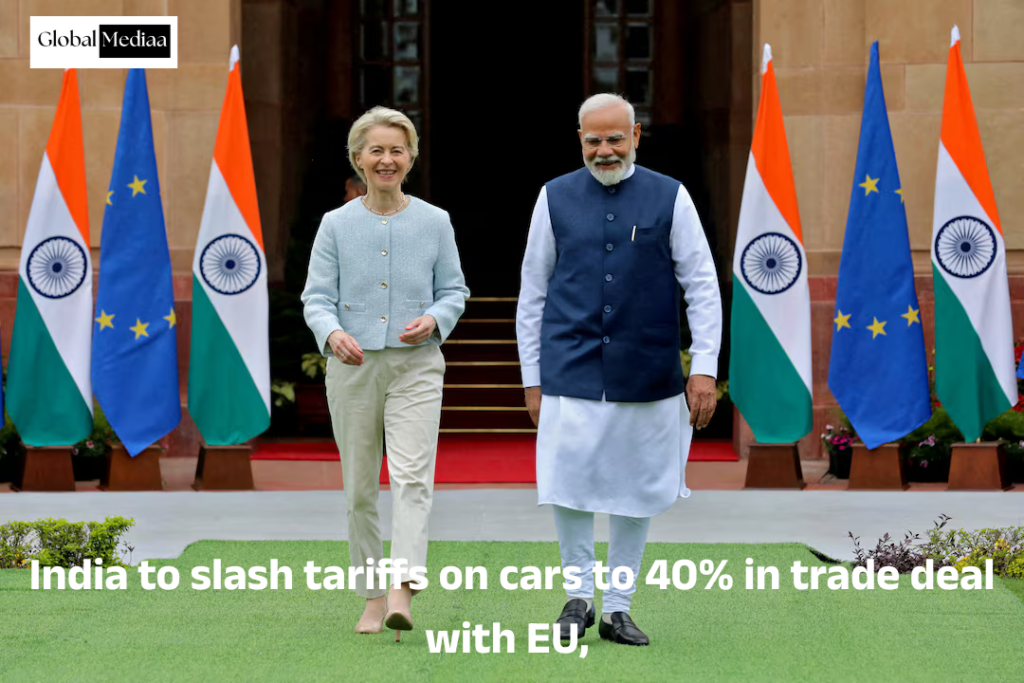
NEW DELHI/BRUSSELS, Jan 25 (Reuters) –
India plans to slash tariffs on cars imported from the European Union to 40% from as high as 110%, sources said, in the biggest opening yet of the country’s vast market as the two sides close in on a free trade accord that could come as early as Tuesday.
Prime Minister Narendra Modi’s government has agreed to immediately reduce the tax on a limited number of cars from the 27-nation bloc with an import price of more than 15,000 euros ($17,739), two sources briefed at the talks told Reuters.
This will be further lowered to 10% over time, they added, facilitating access to the Indian market for European automakers such as Volkswagen, Mercedes-Benz and BMW.
The sources declined to be identified as the talks are confidential and could be subject to last-minute changes. India’s Commerce Ministry and the European Commission declined to comment.
PACT ALREADY DUBBED ‘MOTHER OF ALL DEALS’
India and the EU are expected to announce on Tuesday the conclusion of protracted negotiations for the free trade pact, after which the two sides will finalize the details and ratify what is being called “the mother of all deals.”
The pact could expand bilateral trade and lift Indian exports of goods such as textiles and jewellery, which have been hit by 50% U.S. imports of goods. tariffs since late August.
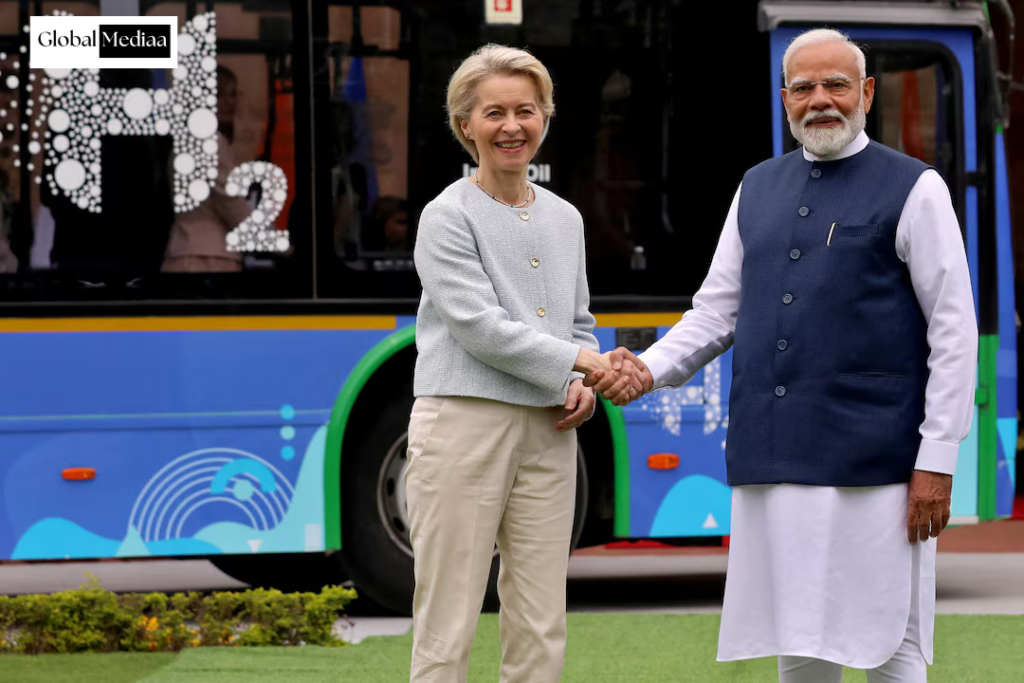
For more such information, connect with us today: : www.globalmediaa.com