Uttarayan 2026: Date, Time, Rituals And Significance

Uttarayan 2026: Check the correct date, time, rituals and significance of Uttarayan, celebrated during Makar Sankranti throughout India.
Uttarayan Festival 2026 Date, Time and Importance:
Uttarayan 2026 will be observed on Wednesday, January 14, marking the point at which the Sun begins its northward movement. In many parts of India the day is also known as Makar Sankranti or Uttarayan.
According to the Panchang following in New Delhi, the Uttarayan Sankranti moment will occur at 3:13 pm on January 14.
This solar shift is tied to seasonal change. Nights begin to shorten. Daylight increases. In agricultural regions, it is also treated as the beginning of a new cycle tied to harvest and climate.
Uttarayan 2026: Date and time
Uttarayan: Wednesday, January 14, 2026
Makar Sankranti: Wednesday, January 14, 2026
Sankranti moment: 3:13 pm (New Delhi Panchang)
Astrologically, the Sun is said to move from Capricorn (Dhanu) into Capricorn (Makar) on this day. The transition is associated with renewal and forward movement.
Uttarayan 2026: Religious and Cultural Significance
Uttarayan is traditionally devoted to Lord Surya, the Sun God. Devotees across India mark the day with early morning baths, prayers at dawn, and acts of charity.
In Hindu belief, the six months of Uttarayan is considered particularly auspicious. Texts like the Bhagavad Gita reference this phase as a time linked with spiritual clarity and positive momentum. Because of this, many people schedule vows, weddings, and religious observances from this date onwards.

Pilgrimage centers such as Varanasi, Haridwar, Rishikesh, and Gangasagar see large numbers of visitors who take ritual dips in holy rivers.
Rituals Observed During Uttarayan
Common practices include:
Bathing before sunrise
Offering Water to the Rising Sun
Lighting lamps and chanting Surya mantras
Donating food, clothes, or grains
Sesame seeds, jaggery, and sattvic foods are often prepared and shared.
Regional Observances for Uttarayan
The same day is observed under different names across India:
Uttarayan – Gujarat, Rajasthan, Maharashtra
Makar Sankranti – North India
Pongal – Tamil Nadu
Bhogi / Bhogi Pandigai – Andhra Pradesh and Telangana
Lohri – Punjab (on the eve)
In Gujarat, the day is marked by large-scale kite flying – with cities like Ahmedabad and Surat turning into unofficial festival zones.
Uttarayan continues to act as a cultural reset point. It links astronomy, agriculture, religion, and social customs into a single calendar moment – one that is still widely observed, even in urban settings.
Shattila Ekadashi 2026 will be celebrated in January with specific fasting rules, sesame-based rituals and fixed parana timings, making it an important Ekadashi for Vishnu devotees.
Makar Sankranti marks the sun’s transition into Capricorn and is celebrated throughout India as a harvest festival. While the core meaning remains the same, gratitude, renewal, and abundance, the ways it is celebrated vary beautifully from region to region, blending food, rituals, and local traditions.
Ahmedabad, Gujarat:
Makar Sankranti comes alive through the famous International Kite Festival. The city’s skies filled with vibrant kites as rooftops turn into celebration zones. Families prepare traditional foods like undhiyu and chikki, making the festival a lively mix of competition, community, and cuisine.
Chennai, Tamil Nadu:
Makar Sankranti is celebrated as Pongal, a multi-day harvest festival. The second day, Thai Pongal, is devoted to thanking the sun god. Homes are decorated with kolams, fresh sugarcane is shared, and sweet pongal is cooked as a symbol of prosperity.
Jaipur, Rajasthan:
Jaipur celebrates Makar Sankranti with both spiritual and festive fervour. Kites dominate the horizon while temples host special prayers. Locals dress in bright attire, exchange sweets like ghewar and til-gud, and celebrate the seasonal shift with joy and colour.

Patna, Bihar:
In Patna, Makar Sankranti is known as Khichdi Parv. Devotees visit temples early in the morning and donation food and essentials. Eating khicdi made with rice and lentils is considered auspicious, symbolizing warmth, nutrition, and togetherness during winter.
Makar Sankranti is one of the biggest and most auspicious festivals celebrated in India. Unlike many festivals that follow the lunar calendar, Makar Sankranti is based on the solar calendar and is celebrated as the Sun moves into the Capricorn or Makara constellation. This cosmic movement ushers in Uttarayan—the northward journey of the Sun, associated traditionally with lengthening days, growing warmth, plenty, and spiritual development. Celebrated across the country by different names like Pongal, Lohri, Magh Bihu, and Uttarayan, Makar Sankranti binds people in joy, thanksgiving, and hope.
One of the most charming traditions associated with this festival is exchanging warm wishes, messages, and blessings. Whether one does it in person, over the telephone, or via social media, such words are full of warmth and positivism. To inspire you to word your emotions and to spread celebrations, here is a carefully collated list of Top 60+ Happy Makar Sankranti 2026 wishes, messages, and quotes, apt for sharing with family, friends, coworkers, and near-dear ones.
Makar Sankranti 2026 Date:
Makar Sankranti is an auspicious, mid-harvest Hindu festival that marks the transition of the sun entering the Makara, or Capricorn, zodiac sign, thereby marking the end of winter and the arrival of a new season with longer days.
SHARE THE JOY:
Happy Makar Sankranti 2026: Best Wishes, Quotes, Messages, Images & WhatsApp Status to share with Loved Ones
It is also known as Uttarayan; it is considered as highly auspicious and honors Lord Surya, the sun god. Spiritual practices such as bathing in sacred rivers and giving to those in need are believed to purify the soul and generate positive karma.
Makar Sankranti symbolizes the Sun’s transition into Capricorn, heralding the end of winter and the arrival of longer days.
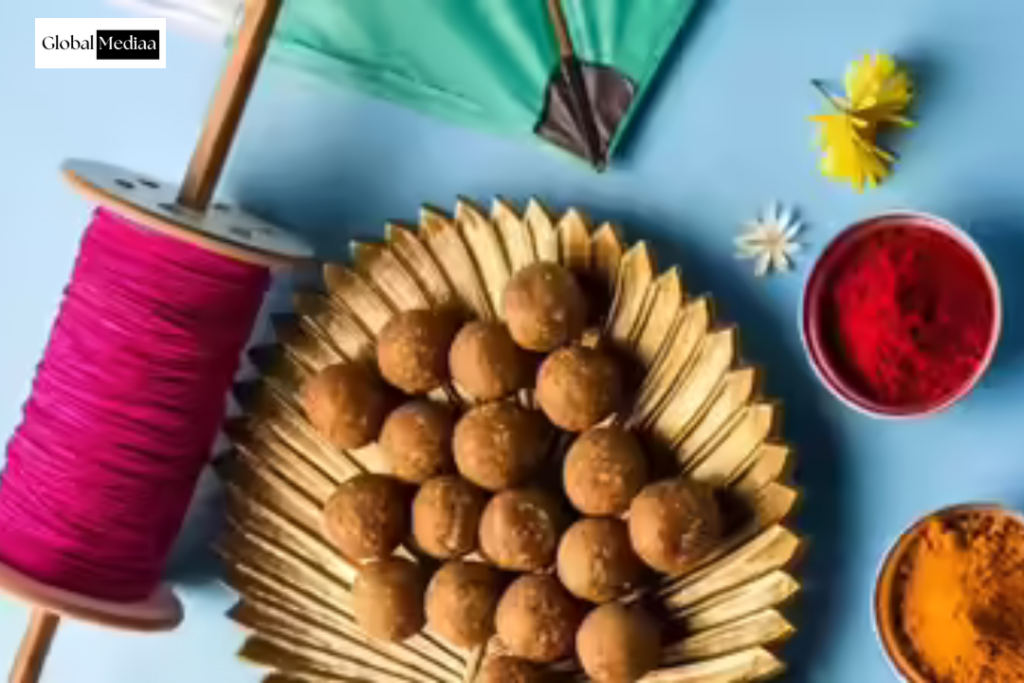
On the day of Makar Sankranti, devotees rise early in the morning, around sunrise, and start with a dip in a holy river such as the Ganga, Kaveri, or Krishna, accompanied by prayer and chanting.
Taking this dip cleanses away your sins and brings you good fortune for the fresh dawn that begins today. As it is considered an auspicious day,.
For more such information, connect with us today: : www.globalmediaa.com