No More H-1B Lottery, US Notifies New Process For Awarding Work Visas
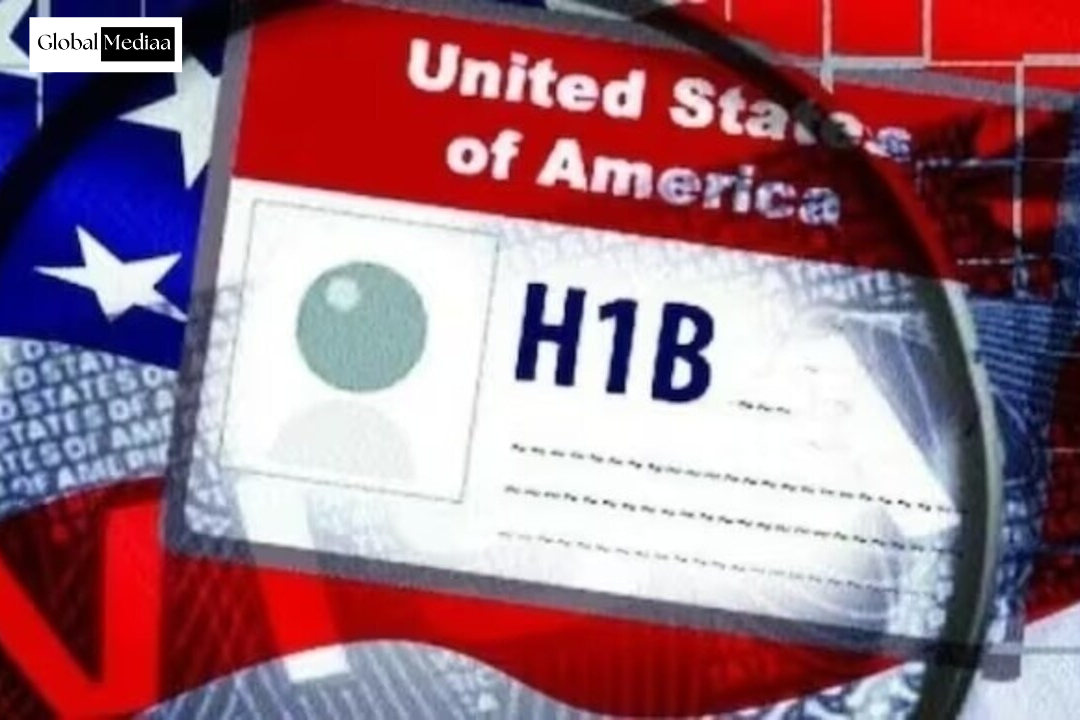
The overhaul follows a series of actions by the Trump administration aimed at reshaping a visa program that critics say has become a pipeline for overseas workers willing to work for lower wages, but supporters say drives innovation.
The Donald Trump administration in the United States is replacing its longstanding H-1B work visa lottery system with a new weighted approach that prioritizes skilled, higher-paid foreign workers, a change expected to make it significantly more difficult for entry-level professionals, including those from India, to secure work visas in America.
The overhaul follows a series of actions by the Trump administration aimed at reshaping a visa program that critics say has become a pipeline for overseas workers willing to work for lower wages, but supporters say drives innovation.
According to the Department of Homeland Security, the new rule will take effect on February 27, 2026. It will govern the allocation of approximately 85,000 H-1B visas annually beginning with the 2027 fiscal registration season.
“The existing random selection process of H-1B registrations was exploited and abused by US employers who were primarily seeking to import foreign workers at lower wages than they would pay American workers,” said US Citizenship and Immigration Services (USCIS) spokesman Matthew Tragesser.
Trump’s H-1B Visa Overhaul
A press release announcing the new rule says it is “in line with other key changes the administration has made, such as the Presidential Proclamation that requires employers to pay an additional $100,000 per visa as a condition of eligibility”.
A press release announcing the new rule says it is “in line with other key changes the administration has made, such as the Presidential Proclamation that requires employers to pay an additional $100,000 per visa as a condition of eligibility.”
The new system will “implement a weighted selection process that will increase the likelihood that H-1B visas are allocated to higher-skilled and higher-paid” foreign workers, according to Tuesday’s press release. It will go into effect on February 27, 2026, and will apply to the upcoming H-1B cap registration season.

Earlier this year, President Donald Trump signed a proclamation imposing a $100,000 annual fee on H-1B visas for highly skilled workers, which is being challenged in the court. The president also rolled out a $1 million “gold card” visa as a pathway to US citizenship for wealthy individuals.
US Embassy’s ‘H-1B, H-4 Visa Alert’ Amid Enhanced Vetting and Interview Delays
Significance Of H-1b Visa For Indians
The H-1B visa program is used extensively by American technology companies to employ foreign workers. Indian professionals, including technology workers and doctors, form one of the largest groups of H-1B visa holders. The visa system has been a critical pathway for young Indian professionals seeking career opportunities in the US. But the higher pay criteria will make it harder for young professionals to qualify for the program.
Historically,H-1B visas have been awarded through a lottery system. This year, Amazon was by far the top recipient, with more than 10,000 approved visas, followed by Tata Consultancy Services, Microsoft, Apple, and Google. California has the highest concentration of H-1B workers.
Why Google, Apple, Microsoft Are Warning H-1B Visa Workers Not To Travel Abroad
Supporters of the H-1B program say it is an important pathway to hiring healthcare workers and educators. They say that it drives innovation and economic growth in the US and allows employers to fill jobs in specialized fields.
Critics argue that the visas often go to entry-level positions rather than senior roles requiring specialized skills. While the program is intended to prevent wage suppression or the displacement of US workers, critics say that companies can pay lower wages by classifying jobs at the lowest skill levels, even when the workers hired have more experience.
The number of new visas issued yearly is capped at 65,000, plus an additional 20,000 for people with a master’s degree or higher.
A sweeping overhaul of the United States‘ H-1B visa program under the Trump administration is set to reshape significantly the prospects of Indian professionals hoping to work in the country. By replacing the long-standing random lottery system with a weighted selection model that prioritizes higher-skilled and higher-paid applicants, the latest rule change could sharply narrow the opportunities for a large section of India’s US-bound workforce.
Indian nationals form the backbone of the H-1B programme, accounting for over 70% of all visas issued annually.(AI-generated image)
Indian nationals form the backbone of the H-1B programme, accounting for over 70% of all visas issued annually.(AI-generated image)

What is the new H-1B rule?
Under the revised regulations announced by the Department of Homeland Security, the United States will scrap the decades-old random lottery used to choose H-1B visa beneficiaries and replace it with a weighted selection system.
The new model will prioritize applicants with higher skill levels and higher wages, giving them a better chance of securing one of the limited H-1B visas available each year.
The rule, which takes effect on February 27, 2026, will apply to the FY 2027 H-1B cap registration season.
While visas will still be available across all salary levels, US Citizenship and Immigration Services said the probability of selection will increase significantly for employers filing petitions for better-paid and more specialized foreign workers, marking a decisive shift away from volume-based hiring.
Why Indians will be the hardest hit?
Indian nationals form the backbone of the H-1B program, accounting for more than 70% of all visas issued annually, according to US administration data cited in previous reports. An estimated 300,000 Indian professionals, largely in technology, engineering and services, currently work in the US on H-1B visas.
Under the new system, Indian workers employed by large technology firms and earning top-tier salaries may continue to find pathways to the US. However, entry-level professionals, mid-career engineers, and those sponsored by smaller firms or staffing consultancies could see their chances shrink as salary levels become a decisive factor in selection.
“The existing random selection process was exploited and abused by US employers who were primarily seeking to import foreign workers at lower wages,” said US Citizenship and Immigration Services spokesperson Matthew Tragesser, defending the shift. He added that the weighted model would better align with Congress’ intent and protect American workers’ wages and job opportunities.
Compounding pressure on Indian techies: Fees and vetting
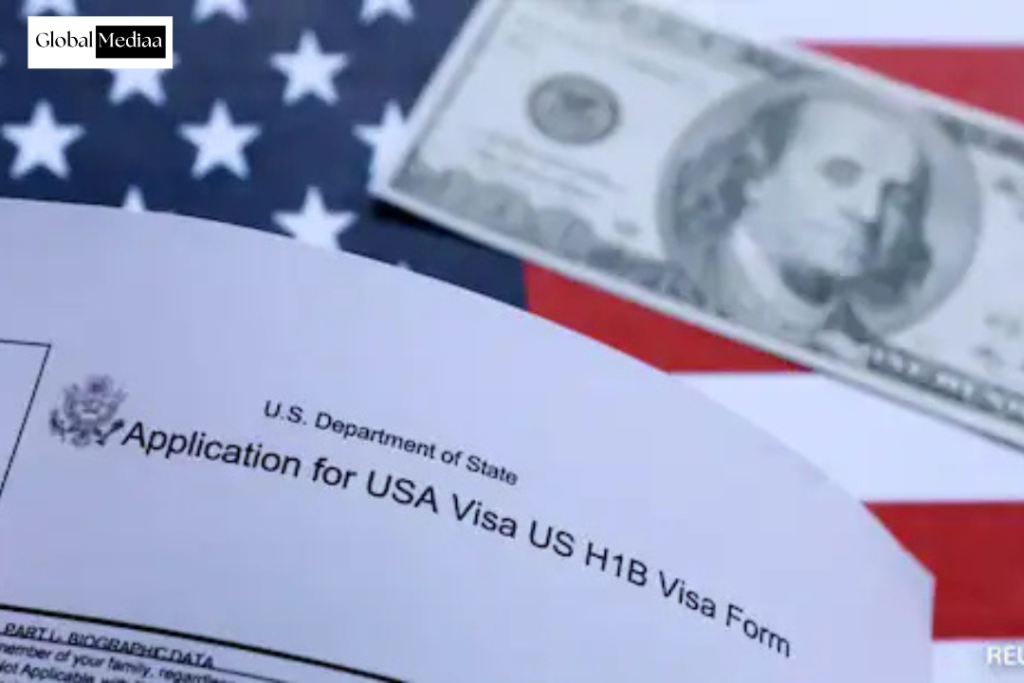
The rule change comes amid a broader tightening of the H-1B ecosystem. The Trump administration has already imposed an additional $100,000 fee on new H-1B visa applications, a move that industry experts say strikes at the heart of India’s $245-billion IT industry. While large multinationals may absorb the cost, smaller firms could be priced out of sponsoring US roles altogether.
Adding to the strain, the US State Department has, since December 15, expanded social media screening to all H-1B and dependent H-4 applicants. This enhanced vetting has led to widespread rescheduling of visa interviews throughout India, leaving many professionals stranded after traveling home for visa stamping. Immigration lawyers have warned that prolonged delays, sometimes stretching to mid-2026 or even 2027, could result in job loss.
For more such information, connect with us today: : www.globalmediaa.com